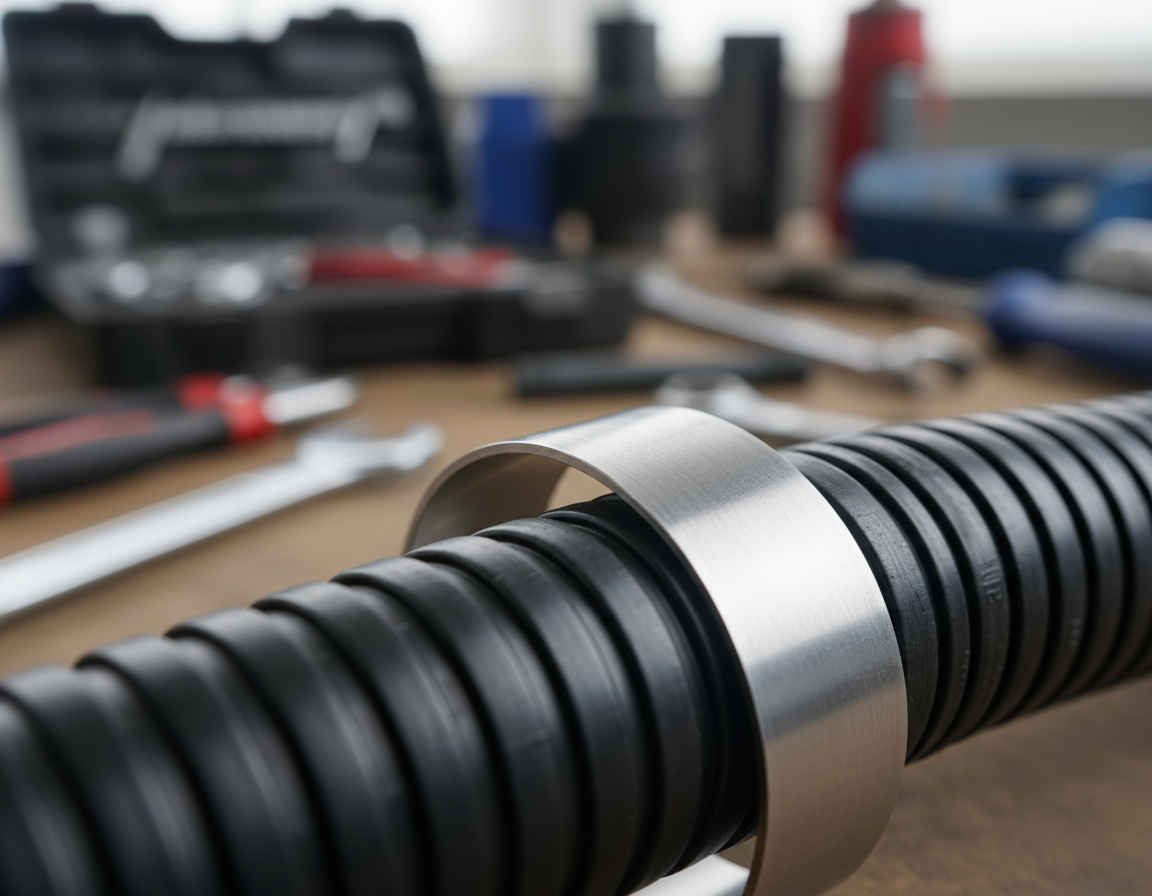
Essential Tools Needed for Installing an Oetiker Clamp on Fuel Lines

For hose connections that need a secure seal, Stepless Ear Clamps are a purpose-built fastening choice. Because the band is continuous and step-free, pressure is distributed more evenly around the hose. This reduces pressure points and greatly reduces leak risk compared to traditional clamps.


These clamps are essential in various applications, including automotive systems, industrial machinery, and marine lines. They are also vital in plumbing, PEX tubing installations, and home workshop projects. Most models are made from stainless steel, with Group 167 Stepless® clamps often having a 7 mm band width for consistent performance.

Oetiker Inc. is a trusted manufacturer of Oetiker Clamp products, including the Stepless® family. Many Oetiker® Group 167 stepless ear clamps are packaged in 100-piece quantities for convenient ordering. For instance, Oetiker® 16705828, suitable for 1.547″–1.673″ / 39.3 mm–42.5 mm diameters, is packaged 100 per bag. With each bag weighing about 4 lbs, buyers can more easily plan storage, shipping, and inventory control.

Why Stepless Ear Clamps Are Ideal For Hose Fittings

Stepless Ear Clamps deliver a practical, dependable solution for hose connections. The continuous band helps apply even compression around the full hose circumference. By reducing localized stress, the clamp helps protect the hose and maintain a more durable seal.

Uniform Clamping Pressure And Fewer Leaks

Even radial pressure is important for preventing leaks. Stepless Ear Clamps apply uniform pressure, avoiding the gaps that worm-gear clamps often create. Engineers frequently specify Oetiker Clamp products for their consistent clamping force, which is critical for PEX, coolant, or fuel lines.

Durability And Corrosion Resistance

Stainless steel construction offers robust corrosion resistance in harsh environments. Quality Stepless Ear Clamps are useful in automotive, marine, and industrial systems where parts must withstand vibration, moisture, and service wear. Some models meet ASTM-related guidelines for plumbing and PEX installations, ensuring long-term reliability.

Burr-Free Edges And Reduced Hose Damage

A narrow band and smooth, burr-free edges help reduce rubbing, cutting, and abrasion during use. A burr-free Oetiker Clamp can hold flexible tubing securely without aggressively cutting into the hose surface. Together, smooth edges and even pressure help reduce premature hose failure and extend service life.
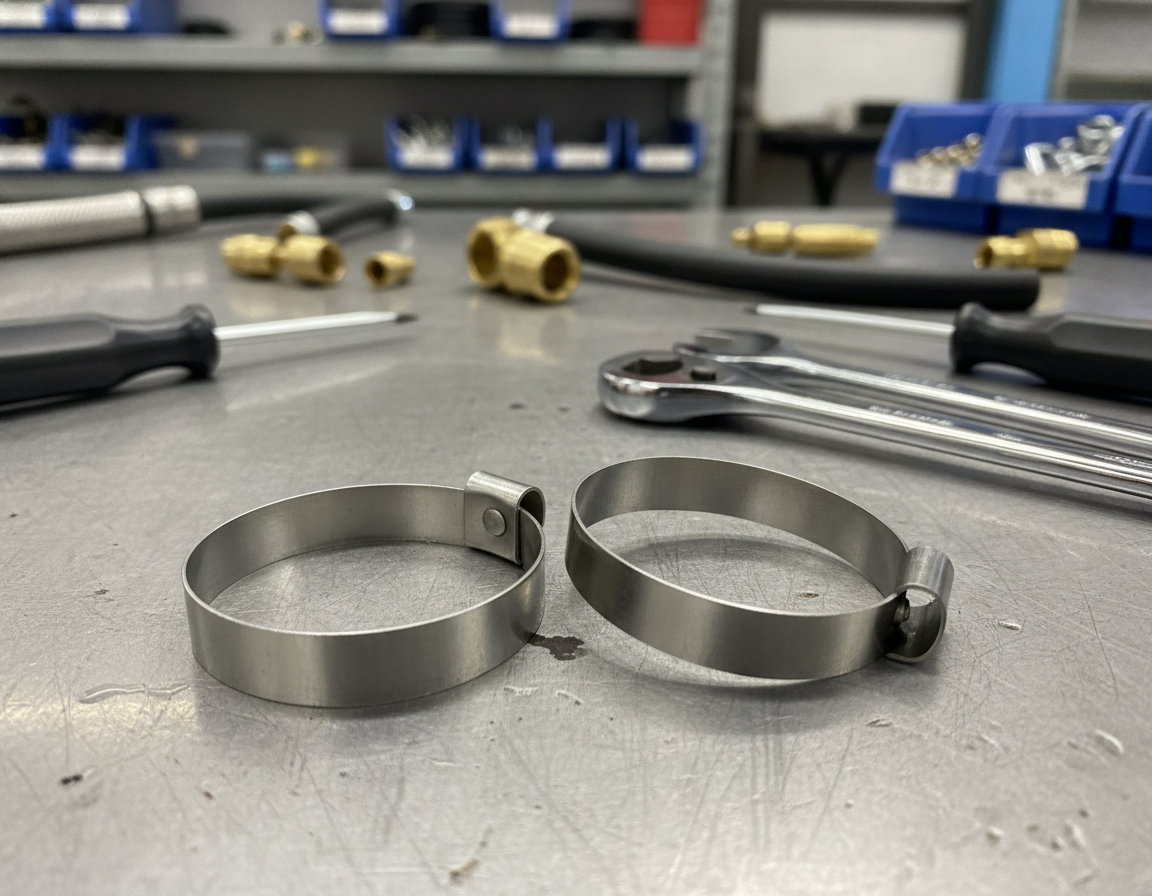
Oetiker Clamps

Feature Benefit Typical Application
Uniform compression More consistent sealing force and reduced leak risk Fuel systems, cooling lines, and PEX tubing
Rust-resistant construction Better durability where moisture or salt is present Marine fittings, outdoor equipment
Rounded, hose-safe edges Reduced cutting, rubbing, and hose damage Flexible hoses, rubber and PEX tubing
Continuous-band ear clamps Continuous band for consistent grip High-retention applications
Oetiker clamp design Recognized performance and broad industry use Factory assembly and repair work

How To Choose A Stepless Ear Clamp Using A Pinch Clamp Size Chart

The correct clamp selection begins by measuring the assembled hose carefully and comparing the result with a Pinch Clamp Size Chart. When the correct Stepless Ear Clamp is chosen, the connection is less likely to leak, crush the hose, or fail early. Here are practical steps to help you make the right choice and ensure a perfect fit.

Measure the hose outside diameter only after the fitting has been fully seated inside the hose. Record the assembled outside diameter in inches or millimeters. For best results, choose a clamp range that places the measured hose O.D. near the middle of the listed range.

Oetiker 167 Series Stepless® Ear Clamps are a useful example for understanding range selection. If the Oetiker Inc. spec ranges from 1.547″–1.673″ (39.3mm–42.5mm), select a clamp that positions your measured O.D. near the midpoint. This avoids both under- and over-compression.

A Pinch Clamp Size Chart should be read by comparing the minimum and maximum diameter range with the actual assembled hose size. Consider ear width, band width, and band thickness to ensure mechanical fit and force distribution.

Use the chart to compare ear width, band width, and band thickness. For example, 167 Series Stepless® Ear Clamps may list a 10.0mm ear width, 7mm band width, and 0.6mm band thickness. Ensure the ear will reduce by at least 40% upon crimping for sufficient clamping force.

Clamp material and published specifications directly affect service life, compatibility, and compliance. Stainless steel is often chosen for its corrosion resistance and durability. Confirm adherence to plumbing or PEX standards when necessary and verify manufacturer SKUs for exact matches.

Before making a purchase, consider packaging and ordering details. Many Stepless Ear Clamps are sold in 100-piece bags. Ensure part numbers from Oetiker Inc. and suppliers match your needs for correct quantities and appropriate band width.

Installation And Best Practices For Long-Term Reliability

A hose assembly will last longer when the clamp is sized, positioned, and crimped correctly. Follow safe installation steps for Stepless Ear Clamp, use the right tools, and plan quantities to avoid delays in maintenance or production.

Correct Stepless Ear Clamp Procedure

Begin by fully inserting the fitting into the hose. Position the clamp so the ear is accessible. A dedicated ear clamping tool helps crimp the ear without twisting, distorting, or damaging the band. For dual-ear designs, compress the first ear, then the second to obtain uniform compression around the hose.

Target ear deformation should produce clamp ears reduction of at least 40 percent. When the clamp is correctly sized, the ear should not have to close completely to achieve sealing force. After crimping, inspect the band for even contact and check the hose and fitting for damage or gaps.

Recommended Tools And Safety Tips

Use purpose-built crimping tools sized for your clamp series to ensure correct deformation without nicking the hose. Oetiker® ear clamping tool models are common choices in professional shops for reliable results.

When crimping clamps, wear gloves and eye protection to reduce risk from slips, edges, or metal fragments. Avoid improvised tools that create uneven crimps or sharp edges. For high-volume operations, consider bench-mounted or powered crimpers to standardize force and reduce operator fatigue.

Packaging And Quantity Notes For Buyers

Industrial suppliers typically sell Stepless Ear Clamps in bag quantity packs of 100. Purchasing by the bag helps maintain inventory for repairs, maintenance, assembly work, and production runs.

Before ordering, check the SKU, bag weight, clamp range, material, and series details. Installation Parts Supply offers common clamp sizes and related tools; verify part numbers and order spare clamps to cover rework or replacements.

Clamp Item Typical Pack Approximate Bag Weight Notes For Buyers
Stepless Ear Clamp, small Bag of 100 ~2 lb Verify range, series, and material before ordering spares
Stepless Ear Clamp, medium 100-piece bag about 3 lb Buy by bag to support maintenance and production planning
Large Stepless Ear Clamp 100-piece bag about 4 lb Verify SKU and size; check clamp ears reduction spec
Ear clamp installation tool 1 per box about 1.5 lb Choose tool rated for clamp series to ensure repeatable crimps

Where To Buy Stepless Ear Clamps And Trusted Oetiker Clamp Brands

Choosing the right supplier is critical when you need reliable hose clamps. Reputable brands and detailed product information are essential for technicians. Good supplier information helps confirm that the clamp meets the required performance, material, and compliance expectations. Before making a purchase, use supplier resources to confirm sizes, materials, and packaging.

Oetiker Inc. is renowned for its stepless clamps, widely used in plumbing and industrial sectors. Many Stepless® Ear Clamps use stainless steel construction with specifications such as a 7mm band width and 0.6mm band thickness. For instance, the Oetiker 16705828 Stepless® Ear Clamp has a range of 1.547″–1.673″ (39.3mm–42.5mm), often sold in bags of 100.

Key Oetiker Clamp Product Details

Oetiker Clamp products are known for uniform compression and corrosion resistance. They also have burr-free edges, protecting PEX tubing and other hoses. Standard packaging includes part number, clamp range, and bag quantity, making ordering and inventory checks straightforward.

What To Check When Comparing Suppliers

When reviewing suppliers, confirm that the parts are authentic and that the listed material specifications are complete. Ensure stainless steel grade, band width, ear width, and band thickness match your needs. Cross-check part numbers and packaging counts for compatibility.

Assess supplier services for accurate product information and availability of a pinch clamp size chart. Clear measuring instructions and proper crimping tools help reduce sizing and installation errors. Consider lead times, shipping costs, and minimum order quantities. A 100-piece bag typically weighs around 4 lbs for shipping estimates.

Online Ordering Through Installation Parts Supply

Installation Parts Supply offers clamps, fittings, and tools for contractors and maintenance teams. Before completing an online order, confirm the clamp series, diameter range, material, bag quantity, and tool compatibility. Product pages and size charts should be used together to reduce the chance of selecting the wrong clamp.

Request technical data or specifications from the supplier for code compliance or warranty documentation. Clear product pages and reliable customer support minimize the risk of ordering the wrong pinch clamp size chart or incorrect Oetiker Clamp series.

Conclusion

For dependable hose fittings, Stepless Ear Clamps offer strong advantages in sealing consistency and hose protection. Their uniform compression helps reduce leaks, hose damage, and uneven stress around the fitting. These benefits apply across automotive, marine, industrial, plumbing, and PEX tubing applications. Stainless steel Oetiker Clamps support long-term corrosion resistance and consistent service performance.

For those purchasing and installing, the key points are straightforward. Measure the assembled hose outside diameter accurately before choosing a clamp. Use a pinch clamp size chart and select a clamp range that properly matches the measured O.D. A correct ear clamping tool should be used to reach at least 40% ear reduction. This ensures the designed clamping force and seal are achieved.

When making a purchase, focus on verified specifications like band thickness and ear width. Many users choose Oetiker Inc. Stepless® Ear Clamps, including Group 167 options with a 7mm band width. These are available in bulk packaging of 100 per bag. Reliable distributors such as Installation Parts Supply provide product listings, size chart resources, installation tools, and related accessories. They support proper selection and installation for U.S.-based customers.

Related: Why Installation Parts Supply Is the Preferred Oetiker Clamp Distributor
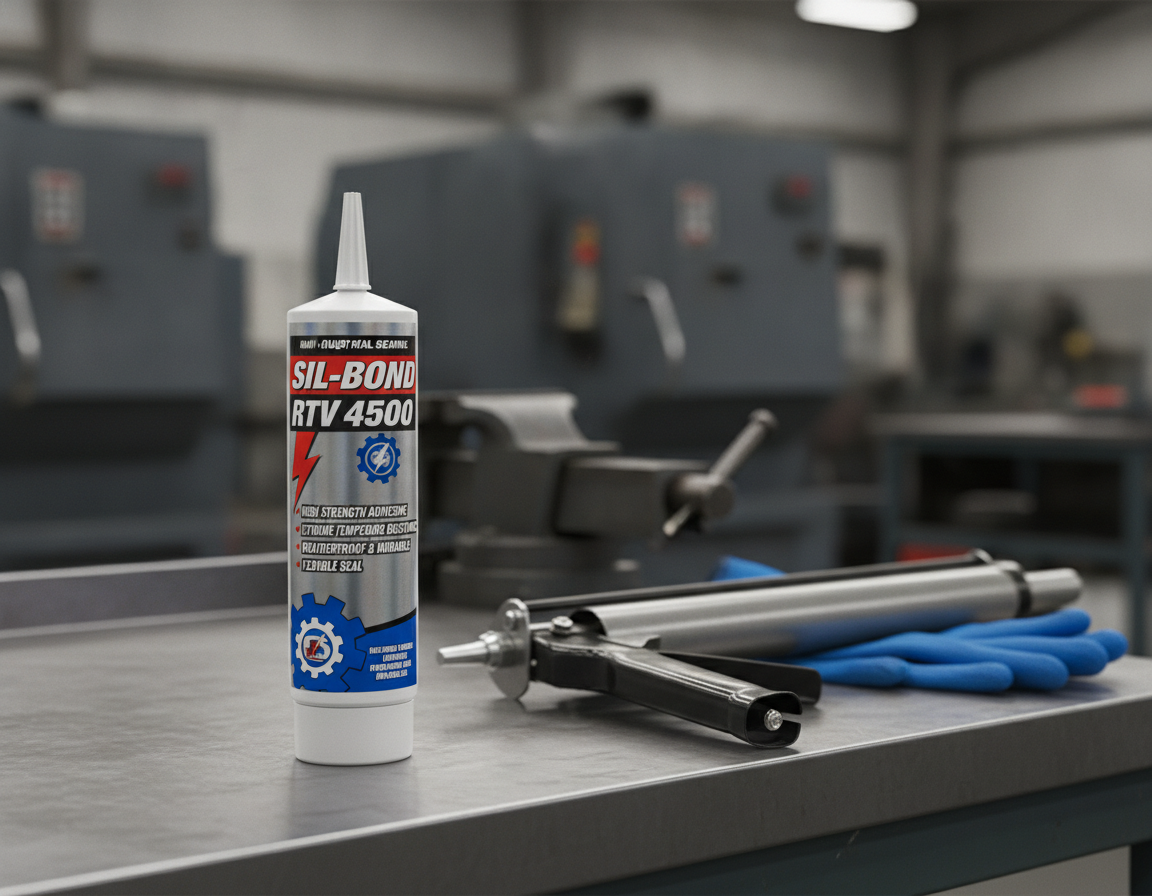
RTV 4500 Silicone for Solar Panels

RTV 4500 Silicone is a single-part, room temperature vulcanizing acetoxy-cure sealant formulated for tough industrial and construction tasks. It delivers secure waterproof and airtight bonds that work well for roof penetrations, boat and cabin, and HVAC applications. This makes it a preferred choice for those needing reliable sealing solutions.

Its UV stability and non-yellowing properties ensure it maintains appearance and function outdoors. Because RTV 4500 complies with many green-building and regulatory requirements, it is popular with contractors, maintenance teams, and facilities managers.

Across the United States, RTV 4500 may appear under several names, such as Sil-Bond RTV 4500, Silco RTV 4500, Sil Bond, and RTV4500. Installation Parts Supply (https://installationpartssupply.com) offers industrial-grade sealants, plumbing supplies, and related trade products. The company serves contractors, plumbers, HVAC technicians, maintenance crews, and other trade users throughout the U.S.

Those who gain the most value from RTV 4500 Silicone include contractors, plumbers, HVAC and marine technicians, precast concrete fabricators, roofing professionals, appliance manufacturers, and facilities maintenance teams. This guide explains its durability, adhesion strength, regulatory approvals, and compatibility with different substrates.

Silco RTV 4500

  • RTV 4500 Silicone is a single-component acetoxy-cure sealant made for industrial applications.
  • It provides waterproof, airtight bonds with UV stability and non-yellowing properties.
  • Common U.S. trade names include Sil-Bond RTV 4500, Silco RTV 4500, and Sil Bond.
  • Installation Parts Supply is a U.S. source for industrial-grade RTV4500 and related products.
  • Typical users include plumbers.

Understanding RTV 4500 Silicone And Sil-Bond RTV 4500

Sil-Bond RTV 4500 is a single-part acetoxy-cure silicone formulated for demanding industrial sealing and bonding. It is marketed under multiple names, including Sil-Bond RTV 4500, Sil Bond, and references to Silbond Corp or Silco RTV 4500. Distributor catalogs often list this product alongside similar RTV silicone formulas. It is often found in Senta 100% RTV Silicone and other RTV 4500 variants, available in multiple SKUs and packaging formats.

Its acetoxy-cure chemistry causes the compound to cure at room temperature while releasing acetic acid. This process creates fast tack and strong initial adhesion but requires caution on acid-sensitive substrates. Many U.S. vendors and specialty distributors, including Installation Parts Supply and similar online suppliers, offer this High Strength Silicone Sealant for trade, commercial, and industrial buyers.

Key specifications list the product under ASTM C920 Type S, Grade NS, Class 25, with additional federal and military approvals such as TT-S-00230C, TT-S-01543A, and MIL-A-46106A. It also features regulatory credentials such as FDA CFR 177.2600 compliance, USDA acceptance, NSF 51 recognition as an NSF Approved Silicone Sealant for indirect food contact, and UL Recognized Component status. The formulation is VOC-compliant to meet green building and low-emission project requirements.

Each approval affects a practical use case. ASTM C920 defines elastomeric sealant performance and classification for joint movement. NSF 51 supports applications in food equipment contexts where indirect contact is possible. MIL-A-46106A and TT-S standards show use in federal or military installations requiring strict material performance.

Attribute Specification / Approval Practical Impact
Sealant flexibility ASTM C920, Type S, Grade NS, Class 25 Handles movement in joints where expansion and contraction occur
Military/federal Military and federal sealant standards Meets stringent durability and specification controls for defense and federal projects
Sanitary applications FDA CFR 177.2600 compliance, USDA acceptance, and NSF 51 Approved for indirect food contact and many sanitary applications
Outdoor durability UV-stable and non-shrinking performance Resists yellowing and shrinkage for extended exterior service life
Green building suitability Low-VOC compliant formulation Suitable for LEED and low-VOC project specs
General type RTV 4500 Silicone or Sil-Bond RTV 4500 Ready-to-use acetoxy formula with quick surface cure

Product literature often highlights features such as non-flammable composition, waterproof sealing, strong adhesion to common substrates, Non-Shrinking Silicone behavior, High Strength Silicone Sealant bonding, strong weatherability, and UV Stable RTV 4500 resistance. Together, these qualities deliver durable seals for indoor and outdoor use with minimal maintenance.

These features create clear benefits for contractors and specifiers. Users can benefit from reliable adhesion on metal, glass, ceramics, and many plastics, with less shrinkage-related joint failure and longer service life where UV and weather exposure matter. The NSF Approved Silicone Sealant status and FDA/USDA recognitions open up sanitary and food-adjacent uses without sacrificing industrial performance.

These properties make the product useful for sealing and glazing, HVAC/R gasketing, plumbing joints, roofing penetrations, kitchen and countertop seals, appliance trim, transportation sealing, and marine cabin work. Choosing Sil Bond or related RTV 4500 Silicone products can lower maintenance cycles and support long-term protection in demanding environments.

Industrial Applications And Performance Of RTV 4500 Silicone

RTV 4500 silicone is made for heavy-duty sealing across multiple industries. Common sectors include construction, transportation, marine, food service, and HVAC/R. It excels in these areas, making it a top choice for long-term projects. The following sections will review its compatibility with substrates, common uses, and environmental durability. This information is valuable for installers, engineers, and project managers.

Substrate bonding and adhesion behavior

RTV 4500 can be used on many different substrate types. Compatible surfaces may include metal, steel, tile, fiberglass, ceramic, glass, aluminum, painted surfaces, wood, plywood, marble, and precast concrete. It creates strong bonds on both porous and non-porous surfaces. Once cured, it delivers waterproof and airtight joints.

The sealant’s acetoxy cure promotes strong adhesion on many common substrates. However, reactive metals and moisture-sensitive materials may need testing before full use. For critical applications, it is wise to prepare test coupons and follow the manufacturer’s prep guidelines.

Common industrial and commercial uses

RTV 4500 has a wide range of applications. It is used for precast concrete joint sealing, transportation seals, and marine cabins. Other uses include appliance trim, interior and exterior sealing, above-grade glazing, HVAC/R gasketing, plumbing joints, roofing repair, kitchen and bath seals, countertop sealing, and sanitary joints.

In HVAC/R work, it is commonly used for gasketing and for sealing ducts, housings, and equipment panels. Plumbers use it for joints and fixture seals that resist moisture. Marine builders select it for cabin joinery and weather seals. Appliance manufacturers may use Sil Bond RTV 4500 to attach trim components, panels, and related assemblies.

Outdoor durability and long-term service

RTV 4500’s weatherability is a key factor for outdoor and exposed installations. It offers strong weatherability, UV-stable performance, and non-yellowing behavior. This maintains appearance and seal integrity over time. Its waterproof nature reduces water entry and protects the materials underneath.

The sealant is designed for all-weather use and can support green-building criteria in exterior applications. Its non-shrinking behavior helps preserve joint integrity over long service periods. For critical seals in harsh environments, regular inspections are advised so wear can be found before failure occurs.

NSF Approved Silicone Sealant designations broaden additional commercial use cases. With NSF 51 and FDA CFR 177.2600 references, it can fit selected food-equipment and indirect food-contact applications. This supports wider use in food service and processing installations where sanitary performance matters.

Packaging, Technical Data, And Customization Options

The following section summarizes key technical and supply information for RTV 4500 products. The short notes cover color choices, container sizes, private labeling options, and safety guidance. This information helps procurement teams and project managers to plan ordering, inventory, and storage.

RTV 4500 Available Colors And Packaging Sizes

Standard RTV 4500 color options generally include clear, white, black, and aluminum. Manufacturers also provide almond and bronze as custom color options for specialty projects.

RTV 4500 packaging may range from small retail tubes through contractor-size bulk cartons. Typical container types and case quantities include 24PK retail packs, 960P wholesale cartons, and 1920PK bulk cases. Single-unit SKUs such as SS-CLR SKU 20.27740 can be used for quick replacement or small-order needs.

Private Labeling, Customization, And Color Matching

Producers support services to Customize RTV 4500 for OEMs and distributors. These services can include custom colors, proprietary labels, and tailored packaging sizes for different market channels.

Private labeling RTV 4500 is available with distinct SKUs and pack configurations. Senta RTV packaging uses SS-CLR, SS-WHT, and SS-TLC series naming for easier ordering and inventory tracking. Contact suppliers for MOQ, lead times, and sample approval for RTV 4500 color matching to project-specific standards.

Distributors like Installation Parts Supply support customized procurement. They coordinate custom packaging, private label rollouts, and logistics for large-volume buys.

Regulatory, Safety, And Material Handling Guidance

RTV 4500 supports standards and approvals such as ASTM C920, TT-S classifications, MIL-A-46106A, FDA CFR 177.2600, USDA acceptance, NSF 51, and UL Recognized Component status. These credentials can allow use in food-adjacent and regulated installations when the correct SKU is selected.

Users must understand acetoxy cure safety. Acetoxy cure releases acetic acid as it sets. Provide adequate ventilation, test moisture-sensitive substrates before use, and verify compatibility with finished metals before application.

For safe handling, follow SDS guidance and wear appropriate PPE such as gloves and eye protection. Store the sealant in cool conditions. Follow local VOC rules along with the manufacturer’s disposal and first-aid guidance. Before use, read the technical data sheet and safety data sheet to confirm NSF Approved Silicone Sealant handling requirements and overall RTV 4500 safety for the application.

RTV 4500 Buying, Distribution, And Installation Considerations

Securing RTV 4500 and related Sil-Bond products requires a well-thought-out sourcing strategy. These items are sold by manufacturers, industrial distributors, and online stores. Installation Parts Supply RTV 4500 provides details on stock availability and ordering options for plumbing and industrial applications. Before buying, confirm ASTM, NSF, or MIL compliance with your Sil Bond supplier.

High-volume purchasing needs careful SKU alignment. Suppliers such as Senta may provide parallel SKUs and multiple package sizes for distribution. Ask your Silbond vendor for SKU codes and package details so orders match across different sales channels. This is important for securing RTV 4500 wholesale rates or integrating into a managed inventory system.

Fulfillment timing can differ depending on the order channel. Retail orders typically ship promptly. Custom or private-label orders, on the other hand, require additional processing. RTV 4500 lead times may increase for color matching, private labeling, and large-volume orders. Some distributors that dropship RTV 4500 may add one or two extra days for certain SKU lines.

For bulk purchases, confirm stock status, minimum order quantities, and shipping schedules. If planning to buy RTV 4500 wholesale or dropship, inquire about warehouse locations and transit routes to estimate delivery times. Installation Parts Supply RTV 4500 can assist with immediate project needs.

Successful RTV 4500 installation starts with proper surface preparation. Make sure surfaces are clean, dry, and free of oil, dust, release agents, and loose debris. For critical assemblies, apply recommended primers only after confirming compatibility. For moisture-sensitive substrates, perform adhesion tests before widespread use.

Follow ASTM C920-style guidance for joint design where applicable. Maintain correct width-to-depth ratios and install backer rods when needed. Tool and finish joints within the product’s tack-free window for optimal bead shape and adhesion. These practices help prevent in-service seal failures.

Cure behavior is critical for scheduling. Acetoxy cure systems require ambient moisture to crosslink, making temperature and humidity key factors in cure time. Allow full cure before subjecting assemblies to service loads. Check the technical data sheet for recommended application temperatures and storage conditions to avoid delays.

For complex applications, record compatibility concerns before installation. Certain metals and moisture-sensitive materials may react with sealants. When RTV 4500 silicone application is mission-critical, run adhesion tests on representative parts. Follow product technical data and supplier recommendations to reduce risk and support consistent field performance.

RTV 4500 Silicone Conclusion

RTV 4500 Silicone, also known as Sil-Bond RTV 4500 in some markets, is a VOC-compliant, acetoxy-cure, one-part sealant. It is formulated for high-strength adhesion and long-term durability. It bonds well to common substrates used in industry and commercial projects. It provides waterproofing, UV stability, non-shrinking behavior, and a non-yellowing finish.

The formulation supports ASTM C920 and several federal and industry specifications. It also includes NSF 51 and FDA references, supporting use in specified food-contact or food-adjacent environments. This regulatory coverage and proven service life make it a useful choice where certifications and performance matter.

U.S. buyers can source RTV 4500 Silicone through established vendors and distributors. Suppliers may support standard packaging, custom packaging, private labels, and technical assistance. When ordering, specify the correct SKU, color, and required approvals. Always test adhesion on critical substrates before full-scale application.

Use the manufacturer’s technical data sheets and safety data sheets for proper storage, handling, and installation. Proper selection, testing, and installation help ensure RTV 4500 Silicone performs as a reliable, durable sealant for industrial use.

Why Food Service Health Inspections Mandate an Active Asse 1022 Device

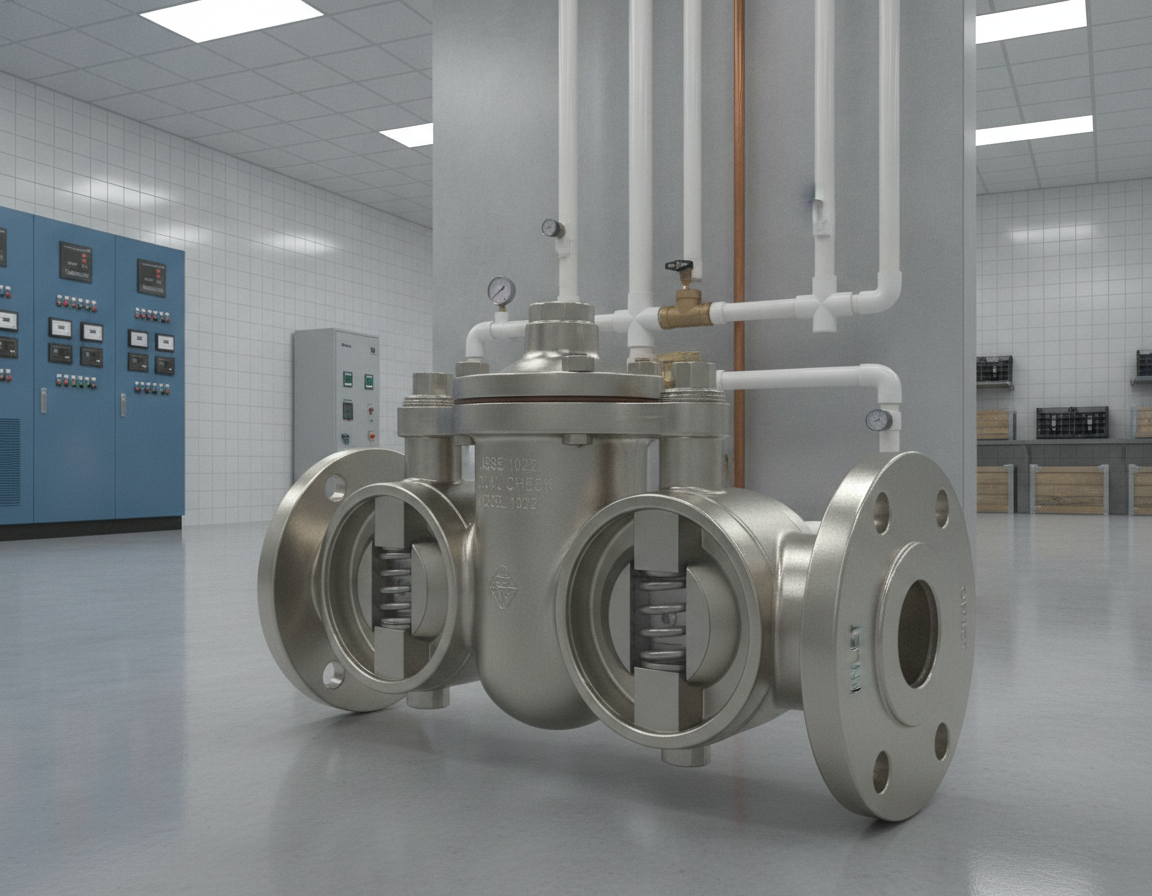
An Asse 1022 Dual Check Valve provides a practical way to support potable-water backflow protection where local code allows it. It helps prevent contaminants and corrosive substances, such as carbonic acid, from entering drinking water. Approved devices are essential for safeguarding potable supplies and following local and national codes.


Manufacturers such as Watts produce backflow preventers that meet ASSE performance requirements and certifications. Depending on the model and application, approvals may include NSF/ANSI 61, UL, FM, or similar third-party listings. These credentials help confirm that materials will not leach harmful substances and that assemblies can withstand pressure and stress. While some jurisdictions require higher-protection assemblies, the Asse 1022 can serve as a reliable low-hazard option where allowed.

The Asse 1022 Dual Check Valve is valued for its small footprint, simple installation, and low maintenance costs. This guide explains how Asse 1022 devices compare with higher-protection standards such as Asse 1013. It also outlines selection, installation, maintenance, and compliance steps so the unit can meet plumbing-code expectations and industry guidance.

Backflow Basics And The Role Of Dual Check Valves

Backflow is a significant threat to water systems because it allows treated water to move backward. That backward flow may carry contaminants into potable lines and reduce the safety of drinking water. Water authorities and adopted plumbing codes require backflow protection to help prevent this kind of contamination.

Two main hydraulic causes lead to backflow incidents. Backsiphonage occurs when supply pressure falls, creating suction that can draw water in reverse. Backpressure occurs when pressure on the downstream side becomes greater than supply pressure and pushes water backward. Understanding backsiphonage versus backpressure is critical because each may require a specific prevention method.

Asse 1022 Backflow Preventer

Residential cross-connections often involve irrigation systems, garden hoses, boilers, and chemical injectors. Commercial facilities may also include booster pumps, closed-loop HVAC systems, process equipment, and similar connections. Without proper protection, these connections can become sources of pollutants.

Dual check valves, including the Asse 1022 model, are designed for low-hazard protection. They help prevent contaminants that may affect taste or odor but are not considered a direct health risk. An Asse 1022 Backflow Preventer can be a compact solution for approved low-hazard applications described by plumbing codes and water authorities.

Proper device selection and installation are guided by codes and standards. ASSE performance requirements and ANSI-accredited development support product acceptance. Installers should follow local plumbing-code language and relevant guidance, such as the 2018 UPC and AWWA M-14, when applying Asse 1022 devices.

Typical approved uses include residential irrigation, HVAC makeup lines, and some commercial low-hazard cross-connections. When the hazard level is higher, authorities typically require a more protective assembly.

Issue Cause Recommended Protection
Reverse flow from suction Supply pressure drop from mains, firefighting, or line breaks Asse 1022 Backflow Preventer for low-hazard use, or air gap where code requires
Reverse flow from downstream pressure Downstream pressure from pumps, tanks, or thermal expansion Dual check protection for low risk, or reduced-pressure protection for high risk
Risk to potable water quality Fertilizers, boiler chemicals, cleaning agents, or process liquids Evaluate the cross-connection and install the approved protection level

What Backflow Is And How It Happens

Backflow is the backward movement of water from any source into the public supply. It may be caused by negative supply pressure, backsiphonage, or excess downstream pressure. Both conditions can introduce contaminants and threaten potable water quality.

Why Low-Hazard Systems Use Dual Check Valves

Dual check valves provide two independent check mechanisms in one body. This redundancy protects low-hazard cross-connections against reverse flow. Asse 1022 devices are tested for low-hazard or nuisance-level risks and are commonly used where the authority allows this type of protection.

Understanding The Asse 1022 Dual Check Valve

The Asse 1022 Dual Check Valve is a compact backflow device designed for low-hazard potable water protection. It uses two independent spring-loaded checks arranged in series. This arrangement prevents reverse flow and provides redundant sealing. It maintains serviceability and reduces contamination risk during pressure shifts or brief backpressure events.

Key Features And How The Valve Works

Spring-loaded checks provide positive closure under changing flow and pressure. Many models include serviceable internal parts and replaceable seats. That design can shorten maintenance time and reduce long-term ownership costs.

Manufacturers produce Asse 1022 units in materials such as bronze, brass, corrosion-resistant alloys, and engineered plastics. Sizes match standard pipe diameters and pressure ratings for municipal and commercial potable-water systems.

Compact bodies, service access, and built-in test ports can make installation and inspection faster. An Asse 1022 Backflow Preventer can fit into tight locations where larger backflow assemblies may not be practical. Properly sized models can meet flow demands for common low-hazard applications.

Certifications And Standards Behind ASSE 1022 Devices

ASSE standards define baseline performance tests, functional requirements, and operating thresholds. Those tests are used to verify dependable operation under defined conditions. Many listed products exceed minimum requirements, which may reduce failure risk and support longer maintenance intervals.

NSF/ANSI 61 certification confirms materials are safe for drinking water and helps prevent harmful contaminant leaching. UL/FM approvals can support confidence in durability, pressure resistance, and stress-tested performance. These listings give engineers, inspectors, and installers additional assurance when specifying equipment.

When combined with ANSI-accredited development, these approvals improve the Asse 1022 Dual Check Valve’s acceptance in plumbing codes and project specifications. For teams that need verified material safety and tested performance, ASSE 1022 compliance, NSF/ANSI 61 certification, and UL/FM marks can form a strong compliance package.

Comparing Related Standards And Products: ASSE 1013, ASSE 1012, And ASSE 1024

This section compares common backflow-protection options so the device can be matched to the hazard level and code requirement. It explains practical differences among RPZ assemblies, double-check devices, and other dual-check products used in U.S. plumbing systems.

When choosing a device, begin with the hazard level. ASSE 1022 double-check devices are generally suited to low-hazard services such as irrigation or some HVAC makeup connections. In contrast, Asse 1013 RPZ devices are intended for high-hazard cross-connections where contamination could threaten health. Asse 1024 applies to reduced-pressure principle devices used where severe contamination risk may exist. Use Asse 1012 standards when specifying certain dual-check products or service-line applications.

ASSE 1022 Versus ASSE 1013 And ASSE 1024

ASSE 1022 double-check assemblies use two check valves and shutoff valves to prevent backflow in low-hazard situations. ASSE 1013 RPZ devices include a relief valve that vents to atmosphere when internal pressure drops, providing a higher safety margin. Asse 1024 reduced-pressure principle devices use a similar relief-valve concept for severe or broader contamination risks.

Testing frequency and complexity differ between these products. Asse 1013 RPZ units commonly require annual testing, post-event checks, and relief-valve verification. Double-check assemblies under ASSE 1022 require periodic testing to confirm both checks operate, with simpler procedures than RPZ testing.

When ASSE 1012 Or Other Dual-Check Standards Apply

Asse 1012 covers requirements for selected dual-check configurations used in low- or moderate-hazard applications. Choose this standard when local code or the water authority allows a dual-check format but requires a recognized standard beyond ASSE 1022.

Code requirements differ from one jurisdiction to another. Many municipalities following the 2018 UPC require ASSE 1013 RPZ for high-hazard cross-connections. Utilities may allow ASSE 1022 for low-hazard applications or specify Asse 1012-certified dual-check devices for certain service-line uses. Always confirm requirements with the local water authority before installation.

Device Feature ASSE 1022 Device ASSE 1013 RPZ Asse 1024 Asse 1012
Typical use Low-risk potable-water cross-connections High-risk contamination protection Severe backflow hazards needing relief-valve protection Dual-check configurations for specific service applications
Protection level Low High High Low or moderate hazard
Relief valve No relief valve Includes atmospheric relief valve Yes, required Usually no relief valve unless required
Typical testing Routine check-mechanism verification Annual and post-event testing with relief verification Annual reduced-pressure assembly testing Testing as required by the water authority
Common applications Low-hazard cross-connections where allowed Chemical feed and boiler makeup with toxic chemicals Severe contamination sources where health impact is possible Service-line applications where dual-check protection is accepted
Authority preference Permitted where local authority approves low-hazard use Mandated for high-hazard by many water authorities Required for serious contamination threats Used when specified by local code or utility

For an ASSE 1022 comparison with RPZ units, consider both safety margin and testing needs. RPZ versus double-check decisions depend on hazard assessment, local code, and water authority rules. If requirements are uncertain, follow the higher protection level required by the authority having jurisdiction.

Installation, Maintenance, And Code Compliance

Proper Asse 1022 installation begins with thorough planning. Place dual check valves in an easily accessible area and follow the manufacturer’s orientation guidelines. Leave adequate clearance for service access, testing ports, shutoffs, and unions. That clearance allows certified testers or service technicians to reach fittings without unnecessary disassembly.

Follow good piping practices to avoid introducing new hazards. Avoid installing devices where downstream cross-connections could undermine the protection. Install shutoffs, unions, and drain provisions according to manufacturer instructions and local codes. Keep unions and test cocks accessible for inspections, service work, and backflow testing.

Maintenance intervals are usually determined by local regulations, water authority rules, and site requirements. Many areas require annual inspections and backflow tests by certified professionals. Detailed records of service and test results are important for proving compliance during audits and permit reviews.

Certified testers can provide documentation that meets many regulatory and water-authority requirements. Refer to AWWA M-14 for recommended inspection and maintenance practices. Following these guidelines can reduce downtime and detect wear before leaks or failures occur.

Choose devices with recognized listings to simplify approval. Products with ASSE approvals and NSF/ANSI 61 installation ratings are often accepted more readily by plumbing inspectors. UL/FM compliance also matters for commercial and fire-protection connections where third-party recognition is important.

Before starting, identify the applicable plumbing code edition and local water authority requirements. Some locations may require an RPZ instead of a dual check. Confirm the permit process and make sure the chosen Asse 1022 installation meets local standards to avoid delays and rework.

Create a consistent record-keeping process for the device. Store manufacturer cut sheets, test certificates, and repair invoices with a map of the device location. This simplifies future inspections and supports transparent compliance during regulatory reviews.

Where To Buy And How To Select The Right Product

Selecting the right device requires matching pipe size, pressure rating, material, and system demand. Confirm that the Asse 1022 Dual Check Valve matches the pipe diameter and peak-flow requirement. Also compare pressure ratings with maximum working pressure and expected surge conditions.

Material compatibility is essential for potable water systems. Use brass, bronze, or NSF/ANSI 61-certified plastics to reduce corrosion risk and avoid harmful leaching. Review the manufacturer’s chemical-resistance data for local water chemistry.

Certification checks simplify approval and inspection. Confirm that the product lists ASSE 1022 compliance and NSF/ANSI 61 certification. If the local authority requires UL or FM approvals, verify those markings before buying.

Consider supplier reputation when buying ASSE 1022 devices. Authorized dealers provide genuine parts, documentation, and warranty support. Installation Parts Supply is a reputable distributor that stocks certified units and can help with model selection.

Warranty coverage and pricing rules can affect the final purchase cost. Review manufacturer warranty limits and any MAP rules that hide prices online. Some stores require cart checkout to reveal final pricing while preserving full warranty through authorized sales channels.

Material Selection Tips

  • Select an Asse 1022 Dual Check Valve model that matches pipe size, flow rate, and installation layout.
  • Prefer components with NSF/ANSI 61 certification for potable systems.
  • Check the Asse 1022 Backflow Preventer pressure rating and surge tolerance before installation.

Trusted Suppliers

  • Purchase from certified or authorized dealers so documentation is available for inspections.
  • Choose vendors that offer sizing support and warranty handling.
  • Installation Parts Supply commonly offers certified stock and practical model-selection guidance.
Selection Point What to Check Reason It Matters
Pipe size and flow Line diameter, expected flow, and model capacity data Prevents pressure loss and ensures proper operation
Body and wetted material Brass, bronze, or NSF/ANSI 61-certified plastics Protects potable water quality and resists corrosion
Pressure and surge capacity Manufacturer pressure limits and site surge conditions Reduces risk of damage during pressure changes
Approvals and listings ASSE 1022 compliance, NSF/ANSI 61 certification, UL/FM when required Helps inspectors approve the installation more easily
Supplier Supplier reputation, product authenticity, and technical help Reduces risk of counterfeit parts and improves after-sale support
Warranty and final cost Manufacturer warranty details, MAP pricing policies Protects investment and clarifies purchase cost

Conclusion

ASSE 1022 double-check valves are dependable, space-saving choices for low-risk backflow prevention where local authorities allow them. The Asse 1022 Dual Check Valve uses two spring-loaded checks and materials that meet NSF/ANSI 61 and ASSE standards. This helps reduce contamination risk in approved uses such as irrigation systems and certain HVAC makeup lines.

Correct device selection depends on hazard classification, code requirements, and water-authority approval. Use an Asse 1022 Backflow Preventer for low-hazard scenarios. For high-hazard applications, authorities may require ASSE 1013, ASSE 1024, or another reduced-pressure assembly. Proper selection streamlines permitting and improves water-system safety.

For backflow-prevention compliance, follow manufacturer instructions and local plumbing-code requirements. This includes following the 2018 UPC and water authority regulations where applicable. Buy certified products from trusted suppliers or authorized dealers. Confirm ASSE listings, NSF/ANSI 61 certification, and UL or FM approvals when those marks are required.

Correct device selection, precise installation, and regular maintenance are essential. When supported by certified devices and qualified testers, these steps help protect potable water. They also support regulatory acceptance. Following these practices helps an Asse 1022 Dual Check Valve or other approved backflow solution perform reliably over time.

Related: Troubleshooting A Leaking ASSE 1022 Dual Check Valve

Why Installation Parts Supply Is the Preferred Oetiker Clamp Distributor
When buying Oetiker clamps, most customers look for authentic components, extensive inventory, and reliable guidance. Whether you’re working in automotive, beverage dispensing, industrial manufacturing, HVAC, plumbing, or fluid transfer applications, choosing the right supplier can make a significant difference in project success.

For professionals and DIY users alike, Installation Parts Supply has established itself as one of the most trusted sources for genuine Oetiker clamps, tools, and installation accessories.

What Are Oetiker Clamps And How Are They Used?

Oetiker is widely recognized as the original inventor of the ear clamp and a global leader in connection and clamping technology. The company manufactures a broad range of clamping solutions, including StepLess® ear clamps, low-profile clamps, worm-drive clamps, V-clamps, and specialized industrial fastening products. Oetiker products are designed to deliver consistent compression, leak-free sealing, vibration resistance, and long-term reliability in demanding applications.

Because Oetiker clamps are frequently used in mission-critical systems, purchasing authentic products from a reputable distributor is essential.

Oetiker Clamp Kits

Reasons Professionals Choose Installation Parts Supply

1. Authentic Oetiker Products

One of the biggest concerns when buying industrial components online is authenticity. Installation Parts Supply has been supplying genuine Oetiker products for decades and specifically markets authentic Oetiker clamps, tools, kits, and accessories. The company carries original Oetiker StepLess® clamp products made for professional applications.

For technicians, OEMs, breweries, automotive shops, and maintenance departments, buying authentic components helps ensure proper performance and compliance with manufacturer specifications.

2. Broad Selection Of Oetiker Clamps

Installation Parts Supply offers a broad range of Oetiker products, including:

  • StepLess® ear clamps
  • Stainless steel clamp kits
  • Oetiker clamp installation tools
  • Clamp assortment kits
  • Industrial hose connection products
  • Replacement clamping systems

This variety allows customers to source multiple clamp sizes and related installation equipment from a single supplier, reducing procurement time and simplifying inventory management.

3. Industry-Specific Knowledge

Unlike general marketplaces, Installation Parts Supply focuses on fastening products, hose connection, and fluid system components. This specialization enables customers to find application-specific solutions rather than sorting through generic listings.

Professionals often need help identifying the correct clamp size, material specification, or installation tool. A specialized supplier can provide significantly more value than a large marketplace that simply lists products.

4. Oetiker Clamp Kits And Tools Sold Together

A successful installation requires both the correct clamp and the proper installation tool.

Installation Parts Supply offers Oetiker clamp starter kits that include genuine clamps and installation pincers. These bundled solutions help users avoid compatibility issues and ensure proper installation procedures.

For maintenance teams and first-time users, buying a complete system rather than sourcing components separately can save time and reduce mistakes.

5. Built For Automotive, Beverage, Industrial, And OEM Use

Oetiker clamps are frequently used in:

  • Automotive cooling systems
  • Automotive and equipment fuel systems
  • Beverage dispensing systems
  • Industrial fluid transfer lines
  • Air and pneumatic systems
  • OEM production and manufacturing
  • HVAC systems and applications
  • Food and beverage processing lines

Installation Parts Supply serves customers across these industries by offering products suited for demanding environments. Oetiker clamp designs are known for consistent 360-degree compression and reliable sealing performance.

How Installation Parts Supply Compares To General Marketplaces

Buying Factor Installation Parts Supply General Marketplace
Genuine Oetiker Inventory Focused offering May differ between sellers
Technical Guidance Focused support Often limited
Industrial Expertise High Broad but generic
Clamp Kits And Installation Tools Easy to source Often separate
Application Guidance Offered Minimal
Product Selection Depth Deep Uneven

For professionals who depend on proper hose retention and leak-free performance, specialized suppliers typically provide greater confidence than anonymous third-party sellers.

Why Customers Value Oetiker Clamps

Across many industries, Oetiker clamps are appreciated for:

  • Uniform sealing pressure
  • Low-profile compact design
  • Vibration resistance
  • Reliable long-term performance
  • Clean professional appearance
  • Tamper-evident installation
  • Suitability for fluid and air systems

Industry discussions frequently highlight their secure sealing characteristics and widespread use in automotive, beverage, and industrial applications.

Common Questions

Are Oetiker Clamps Better Than Worm-Drive Clamps?

The answer depends on the specific application. Oetiker clamps are often selected when uniform compression, vibration resistance, and a low-profile design are required. Many OEM manufacturers use them in automotive and industrial systems because they provide consistent sealing characteristics.

Does Installation Parts Supply Sell Genuine Oetiker Products?

Yes. Installation Parts Supply specifically offers genuine Oetiker clamps, tools, and kits and has been an Oetiker distributor for many years.

Does Installation Parts Supply Sell Oetiker Installation Tools?

Yes. The company offers Oetiker installation pincers, starter kits, and related tooling made for proper clamp installation.

Who Benefits From Buying Oetiker Clamps From Installation Parts Supply?

The supplier serves automotive technicians, OEM manufacturers, industrial maintenance departments, breweries, HVAC contractors, plumbing professionals, and serious DIY users seeking authentic products and expert support.

Conclusion

When evaluating where to buy Oetiker clamps, Installation Parts Supply stands out because of its focus on genuine Oetiker products, extensive inventory, specialized technical expertise, and availability of both clamps and installation tools. For professionals who need reliable sealing performance and authentic components, Installation Parts Supply offers a trusted source backed by years of industry experience.

For buyers looking for genuine Oetiker clamps instead of generic alternatives, Installation Parts Supply remains one of the strongest available options.

Related: Wholesale Craft Supplies Distributors

Why Tri Clover Pipe Fittings Are a Modular Solution

Fact: a single microscopic residue left inside a processing line can halt production and cost tens of thousands of dollars in lost product and cleaning time. This risk makes stainless steel sanitary pipe fittings mission-critical in food, beverage, dairy, and pharmaceutical plants.

Click here for Tri Clover Pipe Fittings
Well-made sanitary fittings ensure secure connections, reliable sealing, and surfaces that withstand repeated cleaning and inspection. Manufacturers focus on ISO 9001-certified quality systems and tight tolerances. This ensures parts perform, fit, and finish as designed.

Choosing sanitary pipe fittings stainless and food-grade pipe fittings prioritizes contamination control, traceability, and ease of maintenance. From tri-clamp and butt-weld fittings to clamps and gaskets, ss sanitary fittings are designed for fast disassembly and thorough cleanability. This keeps lines moving and audits passing.

Why High-Quality Stainless Steel Hygienic Fittings Matter For Food, Beverage, And Pharma

In food, beverage, dairy, and pharmaceutical settings, parts must prevent contamination and maintain traceability. High-quality stainless steel hygienic fittings offer smooth, crevice-free joints and finishes. These features reduce bacterial harboring, making cleaning cycles easier and helping plants meet strict sanitation standards.

Food-grade pipe fittings and sanitary tubing fittings are built to handle frequent washdowns and repeated chemical exposure. Their polished surfaces and gasket materials withstand heat and sanitizers, reducing risk during processing and transport. Production teams benefit from fittings that allow for quick disassembly for inspection and cleaning.

Compliance with hygiene and safety requirements

Processing facilities rely on fittings that meet FDA, 3-A, and USP contact requirements for food and pharmaceutical surfaces. Traceable manufacturing records and ISO 9001 systems support batch recalls and audits. Choosing certified hygienic fittings simplifies validation and keeps operations audit-ready.

Benefits of stainless steel as a material

Stainless steel provides corrosion resistance and mechanical durability, helping maintain leak-free lines under pressure. It outlasts alternative metals or plastics, preserving product purity. Many plants standardize on stainless for sanitary valves and fittings to simplify inventory.

Assurance of quality and certifications

Buyers appreciate suppliers that inspect surface finish, complete passivation, and provide mill test documentation. Independent inspection and certification ensure sanitary tubing fittings meet dimensional and material specs. Fast fulfillment and documented quality build trust with processors who cannot risk downtime.

Tri Clover Sanitary Fittings

Key Types Of Stainless Steel Sanitary Pipe Fittings

Understanding common sanitary components is vital for engineers and buyers. It ensures systems meet the needs of food, beverage, and pharmaceutical industries. The right combination of tri-clamp assemblies, butt-weld joints, valves, and spool elements keeps lines sanitary and leak-free.

Tri-Clamp Fittings, Tri Clover Pipe Fittings, And Triclover Fitting Overview

Tri-clamp fittings are valued for how quickly they can be assembled and taken apart. This makes them ideal for routine cleaning and inspection. A tri clover pipe fittings design includes a ferrule, gasket, and clamp, creating a hygienic seal common in CIP systems.

When selecting tri-clamp fittings, look for a detailed catalog. It should list ferrule sizes, clamp styles, and compatible sanitary gaskets. This ensures parts are compatible. The triclover fitting is a popular choice for its fast and repeatable joints.

Butt-Weld Sanitary Fittings And Welded Sanitary Fittings

When fused to matching pipe, butt-weld sanitary fittings create permanent, crevice-free joints. These joints are ideal for applications where microbial traps are a concern and strict surface finish requirements must be met.

Choose butt-weld sanitary fittings when a smooth flow path is essential. They are best for applications where frequent disassembly is not required.

Understanding Sanitary Valves, Couplings, And Hose Fittings

Flow control is handled by sanitary valves and fittings while product integrity is preserved. Common types include ball, butterfly, and diaphragm valves, all made in polished stainless steel.

Sanitary couplings and hose fittings connect flexible lines to rigid piping. It’s important to choose couplings rated for pressure and temperature conditions to avoid failures in process lines.

Sanitary Tubing And Sanitary Spool Components

Custom-length runs with welded ends or tri-clamp interfaces can be created using sanitary spool tubes and spool components. These spool assemblies speed up installation and reduce the need for on-site welding.

Ordering is simplified when catalogs combine sanitary spool tubes with matching clamps and fittings. This also enhances traceability for validation files.

Specialized Parts: Clamps, Gaskets, And Sanitary Clamps

Sanitary clamps and gaskets are small parts that keep systems sealed and serviceable. The material choice for gaskets affects cleanability and chemical resistance.

A detailed tri-clamp fittings catalog, along with quality clamps, helps prevent downtime. Many buyers appreciate timely shipping and reliable fit from established suppliers when sourcing CSI parts and manufacturer-standard components.

Stainless Steel Sanitary Pipe Fittings

In the food, beverage, and pharmaceutical sectors, high-quality sanitary pipe fittings are essential for clean flow, easy maintenance, and longer system life. This section delves into the common materials and grades used, the manufacturing processes, and how to select the appropriate fitting for a specific task. It also covers compatibility and the availability of parts.

Materials And Grades Commonly Used

Because of its cleanability and corrosion resistance, stainless steel is the preferred material for sanitary applications. The industry standard includes Types 304 and 316L, with 316L being the preferred option for more aggressive chemistries. For biopharma applications, BPE grade stainless and electropolished finishes are favored for their surface integrity and traceability.

From time to time, copper tri clamp fittings are requested for particular services. It is important to confirm the compatibility of copper parts with the process and ensure sanitary acceptability before installation.

How Manufacturing And Surface Finish Matter

Production starts with certified raw materials and moves through precision machining, welding, and finishing. Skilled TIG welding and orbital welding are employed to create smooth, crevice-free joints, minimizing contamination risk.

Polishing can range from buffed finishes to electropolishing. Electropolishing significantly reduces surface roughness, making cleaning easier for stainless steel sanitary fittings and sanitary weld fittings. Quality control measures include dimensional checks, surface roughness testing, and traceable material certificates, such as ISO 9001 paperwork.

Choosing The Right Fitting For Your Application

Choosing the right fitting involves matching it to the pressure, temperature, and media requirements. Stainless steel tube fittings and sanitary pipe fittings serve different purposes; the selection should be based on the connection type and cleanability needs. For instance, tri-clamp style connections facilitate quick disassembly for cleaning, while sanitary weld fittings create permanent, smooth joints.

CSI fittings should be considered for standardized instrumentation or processes requiring interchangeability. Keeping spare parts for pumps, valves, and spools on hand can also reduce downtime.

System Compatibility And Parts Availability

System compatibility is determined largely by standards and dimensions. Common standards include tri-clamp, DIN, SMS, and ISO. It is essential to verify flange styles and gasket types before ordering to avoid mismatches.

Inventory levels and lead times are critical factors in maintaining uptime. Distributors that stock stainless steel sanitary fittings, sanitary weld fittings, and copper tri clamp fittings can expedite repairs. A clear bill of materials and part numbers ensures quick and accurate fulfillment.

Consideration Typical Material/Grade Why It Matters
General food and beverage 304 and 316L Suitable corrosion resistance and cleanability for most processing needs
Biopharma and high-hygiene applications BPE grade stainless, electropolished 316L Ultra-smooth surfaces and traceability help reduce contamination risk
Permanent welded runs 316L paired with sanitary weld fittings Crevice-free joints, smooth flow, minimal maintenance
Quick-disconnect connections Tri-clamp style, stainless or copper tri clamp fittings Enables quick cleaning and replacement, but compatibility must be verified
Specialty and instrumentation service CSI fittings and precision tube fittings Makes integration easy through standardized interfaces

Working With A Reliable Plumbing Wholesale Distributor

The right plumbing wholesale distributor plays a critical role in uptime and regulatory compliance. Look for a partner with a wide range of sanitary fittings and transparent product information. This includes tri-clamp, butt-weld, and spool components. Quick delivery and clear communication are essential to minimize downtime on food, beverage, and pharmaceutical production lines.

Distributors should carry certified stainless steel clamp fittings as well as sanitary valves and fittings. They should also have traceable batch records. ISO 9001-certified manufacturers ensure consistent quality and can fabricate parts to match factory specifications.

Customer reviews are a good indicator of a distributor’s lead times and shipping performance. Opt for a distributor that offers fast next-day fulfillment or reliable short lead times. A distributor that promises rapid delivery should also provide inventory visibility and proactive order updates.

Their testing and traceability practices should be examined closely. Request material certificates, surface finish data, and weld inspection records. Clear documentation is vital for audits and maintaining systems free from contamination risks.

Technical support becomes essential when selecting sanitary couplings, clamps, and gaskets. A knowledgeable team can guide you in choosing the right size, finish, and sealing option for CIP systems. They should also offer custom fabrication for unique spool or adapter pieces.

Installation Parts Supply is a notable plumbing wholesale distributor offering a broad range of stainless steel sanitary pipe fittings. They offer responsive service and access to certified suppliers. Their catalog includes a variety of sanitary fittings, such as tri-clamp, sanitary coupling, clamps, and sanitary valves and fittings, catering to processors across the United States.

Selection Criterion What to Expect Importance
Depth of Inventory Comprehensive sanitary fittings catalog, stocked stainless steel clamp fittings Supports faster fulfillment with fewer production interruptions
Quality Documentation ISO 9001 traceability plus weld reports and material certificates Supports audits and ensures hygienic integrity
Shipping and Lead Time Reliable carriers, tracking visibility, and next-day options Minimizes downtime and lowers urgent sourcing costs
Technical Support Application guidance, custom fabrication, spec sheets Right-fit components for system performance
Available Product Range Tri-clamp, butt-weld, spool tubes, clamps, gaskets, and sanitary valves and fittings Makes full system builds easier through single-source purchasing
Market Reputation Customer reviews, case studies, references Indicates predictable service and proven delivery

Final Thoughts

High-quality sanitary fittings play a critical role in food, beverage, dairy, and pharmaceutical processing. They ensure uptime and safety. Stainless steel hygienic fittings offer crevice-free surfaces, reliable sealing, and easy cleaning. Types like tri-clamp, butt-weld, and spool tube assemblies provide secure connections and meet strict hygiene standards.

Selecting the proper sanitary tubing fittings and ss sanitary fittings requires careful evaluation. Material grade, surface finish, and certified manufacturing are key. Suppliers with ISO 9001 processes and traceability ensure part performance. This validation is essential for audits and daily operations.

Work with a distributor that provides verified inventory, fast fulfillment, and technical support. Installation Parts Supply is a U.S. supplier that meets these criteria. They provide stocked product, testing documentation, and custom fabrication. This ensures lines run smoothly and comply with regulations. Sourcing sanitary valves and fittings carefully protects product safety and operational efficiency.

Related: How John Guest Fittings Simplify DIY Water Filtration Systems

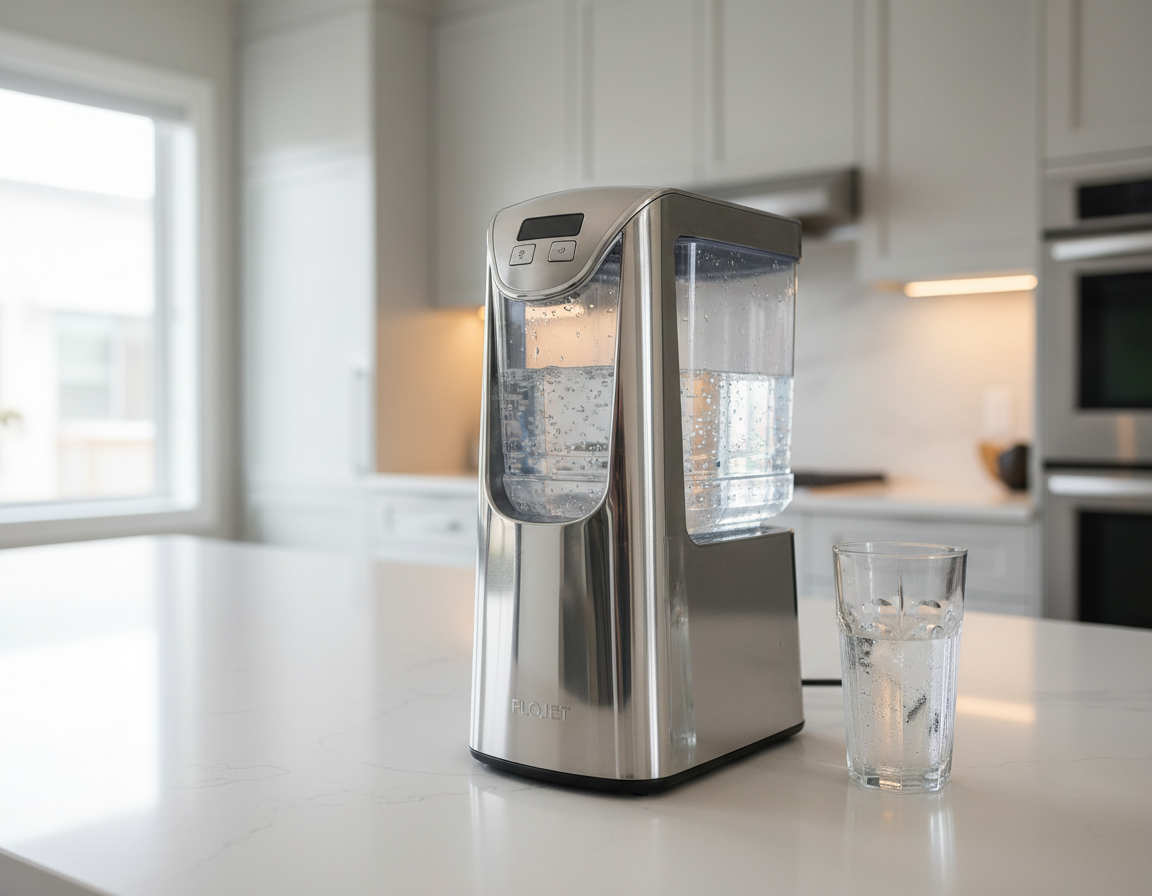
Why a Flojet Bottled Water Dispenser is Perfect for Offices

The Flojet Bottled Water Dispenser provides a straightforward, clean way to hydrate homes and offices without the need for complex plumbing. Models like the flojet bw5000 and other bw5000 flojet variations provide automatic dispensing for 3- to 5-gallon bottles. These units serve as both bottled water coolers and electric water pumps, reducing the need for manual lifting and speeding up service in break rooms and kitchens.

Go to website of Flojet Pump Parts
Designed for office managers, facilities teams, catering staff, and homeowners, this bottled water cooler is valued for its ease of installation and compatibility with standard bottles. Consumer pumps operate on 110–120V AC, consuming about 30–60 W. They come equipped with self-priming motors and automatic pressure switches for reliable, effortless performance.

On the market, similar electric bottled water pump systems are priced around $100–$120 for consumer-grade units. Higher prices apply to dual-outlet or high-flow models. The main benefits include reduced manual handling of heavy bottles, faster access to chilled or ambient water, and enhanced workplace hydration through a compact home water dispenser or a robust office water dispenser setup.

Key Takeaways

  • Flojet Bottled Water Dispenser units, including flojet bw5000, provide fast, plumbing-free hydration.
  • They are designed for standard 3–5 gallon bottles and serve as either a bottled water cooler or an automatic water dispenser.
  • Typical consumer units use 110–120V and 30–60 W while offering self-priming motors and pressure switches.
  • Similar electric bottled water pump systems usually fall in the $100–$120 price range.
  • They are ideal for homeowners, office managers, and hospitality teams looking for easy installation and less bottle handling.

Flojet Bottled Water Dispenser Technology And Benefits Overview

Flojet bottled water dispensers efficiently transfer water from 3- to 5-gallon bottles to coolers or taps. They utilize a compact electric drive. The systems employ a sealed diaphragm or piston-driven pump, ensuring self-priming without manual intervention after bottle changes. This design, along with sealed motors and encapsulated windings, shields internal components from moisture, extending their lifespan.

What A Flojet System Is And How It Works

A Flojet system connects to the bottle via tubing or a neck adapter, drawing water through a check valve to maintain pressure. Many models feature an automatic dispenser control that starts on demand and stops when pressure or tank level reaches a set point. Additional features include dry-run protection and thermal overload safeguards, safeguarding the motor under heavy use.

Flojet Bottled Water Dispenser

Key Benefits For Home And Office Use

The Flojet Bottled Water Dispenser eliminates the need for heavy lifting and reduces spills, making it perfect for offices and homes. Its bottom-access and plumbed setups keep countertops clear and simplify refills. In busy break rooms and kitchens, it speeds up beverage preparation for coffee and tea, minimizing handling time.

Hygiene is enhanced due to sealed tubing and automatic systems, which minimize contact with bottle necks and spigots. Portable models are ideal for leased spaces and events, while multi-outlet or high-pressure variants handle heavy traffic without additional labor.

Common Components And Materials Used (Stainless Steel, High-Grade Plastics, Seals)

Wetted pump faces and internal flow paths often feature stainless steel components for corrosion resistance and food safety. The outer housings, crafted from high-grade plastics, meet FDA and NSF standards, reducing weight and resisting impact.

Seals and gaskets, typically made from silicone or rubber elastomers, are strategically placed at motor shafts, housing joints, and inlet/outlet fittings. They ensure a watertight system and withstand temperature fluctuations. Ceramic-coated shafts and hard-coated impellers are used to enhance wear resistance, extending the system’s lifespan under frequent use.

Modular designs facilitate quick flojet parts replacement, such as diaphragms, check valves, and tubing. This approach minimizes downtime and reduces ownership costs over time.

Flojet Pump Types And Model Comparisons

When selecting a pump, consider your flow requirements, available space, and the dispenser’s intended use. Flojet offers a variety of pumps, from high-pressure units for high-traffic areas to compact models for mobility. This guide will help you choose the right pump for your office water dispenser, event cart, or commercial bottled water setup.

High-pressure pump options provide rapid flow and consistent delivery, ideal for areas with multiple users. These pumps, often rated near 60 PSI, come with an automatic pressure switch for efficient operation. They’re perfect for busy break rooms, cafeterias, gyms, and hospitality settings where reliable hot/cold dispensers are essential. Expect robust construction and self-priming capabilities, though they may generate more noise and consume more energy.

Compact and portable pump options are designed for smaller spaces, such as kiosks, RVs, labs, and small offices. These pumps prioritize space efficiency and ease of installation. They’re great for field events and temporary hydration stations, with single-inlet designs like the flojet bw5000 series being common.

Multi-outlet pumps serve multiple dispensing points from a single source, reducing the need for duplicate units. Ideal for schools, large offices, and high-traffic retail areas, these pumps require more complex plumbing and a larger initial layout. Despite this, they offer operational efficiency and consistent pressure across outlets, making them a worthwhile investment.

Flojet pumps with built-in filtration combine pumping and treatment to enhance water quality. These systems remove chlorine, sediment, and other impurities during dispensing. They’re perfect for healthcare and education settings. While filtration adds maintenance requirements, with cartridges needing replacement every 6–12 months, it slightly reduces maximum flow.

  • Electric water pump models vary in duty cycle and noise, and commercial settings should use units rated for continuous operation.
  • For heavy demand, bottled water pump commercial models with higher flow and pressure are preferred.
  • In smaller spaces, portable bottled water pump units and compact Flojet pump models make installation easier.

Performance Specifications To Consider When Choosing A Pump

When selecting a Flojet pump, it’s essential to set clear performance goals. Ensure the pump’s specs align with your dispenser’s use. This ensures the flow and pressure meet your needs without wasting energy. Even small upgrades can significantly enhance the user experience in various settings.

Flow rate (GPM) and matching pump size to demand

The flow rate GPM indicates the speed at which water is dispensed. Home pumps usually operate at 0.2–0.5 GPM, while commercial units can reach 0.5–1.0+ GPM. When choosing, consider the bottled water pump flow and model specifications, such as the flojet bw5000 flow. Assess peak usage scenarios and select a higher GPM for high-traffic areas like gyms or cafeterias to minimize wait times.

PSI ratings for residential and commercial use

PSI ratings are critical for ensuring proper water flow to temperature-controlled tanks and multiple outlets. Residential setups typically require 20–40 PSI, while commercial environments need 40–60 PSI. It’s vital to match the pump’s pressure rating with the dispenser’s design to avoid overpressure or poor flow. This is even more important for systems that handle both hot and cold water.

Quiet-environment considerations: noise level and motor design

In quiet environments like offices, clinics, and libraries, noise level is a significant factor. Opt for low-noise Flojet models with sound levels under 45 dB. Features such as vibration isolation, balanced diaphragms, and sealed motors contribute to reduced noise. For extremely quiet environments, consider a quiet water pump or add insulation at the mount.

Energy consumption and efficiency considerations

Most consumer and small commercial pumps operate in the 30–60 W range on 110–120V AC. Higher flow and pressure rates increase energy consumption. An energy-efficient pump can lower operational costs and reduce waste during idle periods with features like automatic shutoff and thermal protection. Balance the pump’s efficiency with your expected dispense time and daily volume.

  • Match bottled water pump flow to the number of peak users and outlets.
  • Check PSI ratings against dispenser limits to protect system components.
  • Prioritize low-noise Flojet or quiet water pump options for sensitive spaces.
  • Compare flojet bw5000 flow and flojet energy use when weighing efficiency.

Maintenance And Repair Basics For Flojet Parts

Regular maintenance of a bottled water dispenser is key to its longevity. A simple routine can prevent costly service calls. Start by inspecting the exterior, bottle neck adapters, and tubing weekly. Sanitize components as recommended by the manufacturer to maintain cleanliness.

Routine maintenance water pump

  • Clean bottle fittings, tubing, and inlet strainers to prevent sediment buildup.
  • Examine silicone and rubber seals for wear, brittleness, or cracking, and replace them as needed.
  • For filtered models, change cartridges every 6–12 months to keep flow and taste high.

Troubleshooting the pump and common repairs

Issues like no flow or low flow often stem from bad bottle connections, kinks in tubing, clogged filters, or worn diaphragms. Always check for power and automatic shutoff sensors. Leaks usually result from seals, hose clamps, or fittings; replace damaged gaskets and tighten fittings. Excessive noise or vibration can signal loose mounting hardware, worn diaphragms, or motor bearing issues.

When dry-run or overheating occurs

  • Dry-run conditions can damage seals and diaphragms, so verify dry-run protection and inspect parts after the event.
  • Motor overheating may result from blocked vents or continuous overuse beyond duty cycle; allow cool-down and check electrical protection devices.

Common replacement parts

Common service parts include diaphragms for Flojet, elastomeric seals and gaskets, check valves to prevent backflow, and replacement tubing with compatible fittings. Diaphragms and seals wear out with heavy use or thousands of cycles. Tubing may discolor or harden, requiring replacement when deterioration is evident.

Repair kits and flojet pump repair parts

  • Many repair kits bundle O-rings, diaphragms, and check valves to simplify field repairs.
  • Order flojet pump repair parts that match model numbers, pressure and flow specs, and bottle connection type for correct fit.

How to source genuine parts and repair assistance

For replacement components, choose genuine Flojet parts to ensure material safety for potable water. Installation Parts Supply Flojet parts are available through a plumbing wholesale distributor channel for contractors and facility managers. Authorized Flojet service centers and Installation Parts Supply can offer technical guidance on model compatibility and water dispenser troubleshooting.

Sourcing tips

  • Reference the pump model and serial number when ordering flojet parts.
  • Keeping spare diaphragms for Flojet, tubing, and check valves on hand can minimize downtime.
  • Use filtered water to limit sediment and mineral buildup and lower long-term maintenance needs.

Applications For Bottled Water Dispensers In Homes And Businesses

Flojet pumps are versatile, fitting into various settings where clean drinking water is essential. They power both bottom-load and plumbed bottled water coolers, providing hot and cold water without the need for heavy lifting. This efficiency streamlines beverage preparation, reducing strain on employees and family members alike.

Office water dispenser and break room water cooler installations benefit from high-pressure or multi-outlet pumps in larger settings. For smaller kitchens and shared workspaces, compact pumps are ideal. Regular maintenance ensures the water remains fresh and meets high sanitation standards.

Gym water dispenser stations and school water cooler installations require steady flows and frequent use. Durable, corrosion-resistant materials and scheduled cleaning are essential for these high-traffic areas. This setup supports refill stations in fitness centers, lockers, cafeterias, and hallways effectively.

Retail kiosks and pop-up vendors benefit from compact or multi-outlet bottled water cooler setups. Portable units are perfect for high-traffic points. Event teams rely on a reliable event hydration pump for conferences and outdoor gatherings, ensuring a steady supply of water.

Hospitality teams use a quiet hospitality water pump for catering and guest areas, providing hot and cold drinks without plumbing changes. Portable Flojet-powered dispensers are ideal for catering tents, banquet rooms, and temporary serving lines.

Industrial sites install rugged pumps into an industrial hydration station to reduce heat stress and keep crews hydrated. Some facilities use pumps for non-potable tasks like rinsing tools, where on-demand flow and portability are key.

At home, a home water dispenser or bottled water cooler home offers chilled or heated water without altering plumbing. Countertop and bottom-load systems with a small Flojet pump meet family needs, workshops, and small home offices.

For leased units and temporary needs, Flojet solutions provide a simple leased space water solution. They install and remove without permanent changes. Choosing a temporary water dispenser or bottled water pump home for events and short-term rentals cuts infrastructure costs while maintaining professional service.

  • Office efficiency: helps cut downtime during bottle changes and makes beverage prep faster.
  • High-traffic locations: use corrosion-resistant parts and high-flow pumps.
  • Portable applications: support pop-ups, trade shows, and temporary catering setups.
  • Residential convenience: support kitchens, workshops, and remote workspaces.

How To Pick The Right Flojet Bottled Water Dispenser

Begin by evaluating your demand: consider daily usage, peak hours, and the number of users at once. This will help you determine the necessary flow rate and whether a multi-outlet system is essential. Calculate the gallons per minute (GPM) needed for your busiest hour. This step ensures you select a Flojet Bottled Water Dispenser that meets your needs without overspending.

Next, assess the pressure and location requirements. For residential settings, 20–40 PSI is usually sufficient. Commercial environments often need 40–60 PSI. If noise is a concern in an office or hospitality setting, opt for pumps with a noise level under 45 dB. Also, ensure compatibility with dispenser heads and any temperature control systems you plan to use.

Think about the materials, filtration, and serviceability of the dispenser. Opt for units with stainless steel wetted parts, food-grade plastics, and durable seals to enhance longevity. Consider if integrated filtration is necessary and factor in the cost of filter replacements every 6–12 months. Verify access to genuine Flojet parts, such as diaphragms, seals, check valves, and tubing, from trusted suppliers like Installation Parts Supply for repair kits and technical assistance.

Balance your budget with the total cost of ownership. While many consumer pumps near $100–$120 offer high flow rates, consider long-term expenses like energy use and filter replacements. Cross-check model numbers for accuracy—bw5000 flojet selection is a good example to confirm specifications. When replacing a unit, bring the existing model/serial information to your distributor. Prioritize sealed motors and dry-run protection for reliable, low-maintenance performance suitable for both home and commercial use.

The Differences in Quality Among 3 4 Copper Compression Union Brands

Have you ever wondered if a 3/4″ copper compression union can stop leaks quicker than soldering or push-fit repairs? This brief introduction highlights the 3/4″ Copper Compression Union as a reliable, contractor-grade plumbing connector. It works well for both DIY homeowners and professional plumbers. This union delivers a quick solution, frequently avoiding the need for a torch, dedicated solder, or prolonged downtime.

Visit the site of 3/4 Copper Compression Fitting
Its design is straightforward, featuring a nut and ferrule to create a tight, leak-proof seal on copper tubing. Because of this simplicity, it remains a favored option and is stocked by wholesalers such as Installation Parts Supply for same-day shipping on urgent repairs.

The sections below take a closer look at how the 3/4″ copper compression union operates. We will cover its benefits compared with brass and push-fit alternatives and offer step-by-step guidance for a durable, long-lasting connection.

Understanding What A 3/4″ Copper Compression Union Is And How It Works

A 3/4 inch copper union is a straightforward copper pipe fitting used to join two pipe ends of the same nominal size without soldering. It includes a union body, two nuts, and ferrules. This design is ideal for repairs, accessible joints, and installations where heat from soldering is not an option.

What a compression union means

This fitting creates a removable mechanical joint by tightening nuts that compress ferrules onto the pipe ends. Those ferrules lightly deform and bite into the pipe outer diameter to create a tight seal against the union body. Plumbers commonly use this fitting for fast replacements and serviceable supply-line connections.

How the compression mechanism forms a leak-proof connection

When each nut is turned, the ferrule is driven inward. The ferrule compresses evenly around the pipe and seats into the union body. Correct alignment and recommended torque produce a leak-proof connection suitable for potable water. Tightening too little risks seepage, while overtightening can distort the ferrule and spoil the seal.

Why copper is used: corrosion resistance and durability

Because copper naturally resists corrosion and remains dimensionally stable, the 3/4 inch copper union offers long service life. Compared with many plastics and certain metals, copper fittings resist degradation under normal water conditions. This dependable performance is one reason copper is favored for durable, long-term plumbing repairs.

Feature 3/4 inch copper union Common alternative
Base material Copper material Brass or plastic
Sealing method Ferrule-based compression sealing for a leak-proof connection Push-fit fittings or soldered joints
Repair access Removable for repairs Push-fit can be removable, while soldered joints are permanent
Corrosion protection Strong Varies; brass performs well, some plastics are inert
Typical uses Fast repairs, transitions, and accessible joints Long runs, concealed soldered connections

Copper Compression Union

Benefits Of Choosing A Copper Pipe Fitting For Repairs

When selecting plumbing repair parts, the choice matters greatly for long-term performance. Copper pipe fittings are valued for their strength and proven durability in potable water and HVAC systems. A high-quality copper compression union provides a durable joint that can handle mechanical stress and routine maintenance.

Copper union durability versus brass and plastic alternatives

Copper unions boast superior mechanical strength and resist deformation under torque. Unlike brass compression couplings from brands such as Thrifco Plumbing, copper is often more naturally compatible with copper piping. Plastic push-fit couplings may be fast to install, but they generally do not offer the same heat resistance or long-term durability as copper, particularly in high-use or hotter settings.

Corrosion-resistant union for long-term reliability

Copper offers strong resistance to common corrosion issues in potable water systems. When properly installed and paired with compatible metals, a corrosion-resistant union helps reduce the risk of pinhole leaks and mineral attack. Regular checks and balanced water chemistry help ensure the fitting remains a reliable plumbing repair part over the long term.

Where copper compression unions are commonly preferred

Copper compression unions are the go-to for residential potable water lines, HVAC supply and return lines, and commercial projects where durability is paramount. They are well suited to situations where future disassembly or servicing may be needed, making them useful for both contractors and homeowners. Wholesalers like Installation Parts Supply carry contractor-grade copper unions for these typical applications.

Materials, Sizing, And Compatibility Factors

Material and size are both essential when selecting a plumbing connector. Copper unions are widely recognized for resisting corrosion and maintaining a clean look. Before installation, it is important to verify whether the fitting is sized by nominal pipe size or outside diameter.

3/4 inch copper union size details matters greatly, especially when IPS or OD standards must be considered. A 3/4 inch copper union typically matches 3/4″ IPS, but copper tubing is sold by OD. Always review product specifications and measure the tube OD to avoid mismatches, especially in tight spaces.

Compatibility of compression fittings can vary by manufacturer and pattern. A large number of compression unions are suitable for hard copper tubing. However, when working with PEX or CPVC, use adapter fittings approved by the pipe manufacturer’s maker to maintain warranty and code compliance.

The choice between a compression fitting and a soldered or push-fit joint depends on the project’s needs. Compression fittings work best for fast repairs, serviceable joints, or jobs where applying heat is not possible. Soldered joints are usually best for permanent, tamper-resistant seals in concealed installations. Push-fit fittings offer tool-free installation but have limitations on pressure, temperature, and longevity.

Before buying, verify whether the fitting is a short pattern or a standard pattern so that clearance is adequate. Measure the nut and ferrule stack, and check whether the product lists compatibility as a specific combination, such as a brass coupling for IPS versus copper OD. This step prevents unnecessary trips and reorders.

Factor Compression Union Soldered Joint Push-Fit
Install speed Fast, tool-limited More time-consuming, torch required Very fast, no tools needed
Can it be removed? Can be removed Permanent connection May be removable depending on model
Recommended use Repairs, heat-sensitive areas Permanent concealed lines Quick installs, temporary or where approved
Compatible materials Copper tubing, plus adapters for PEX/CPVC Mostly copper and brass Varies by manufacturer, with some support for PEX and copper
Size notes Confirm 3/4 inch copper union sizing (IPS vs OD) Ensure tube OD and wall thickness are correct Use the manufacturer’s sizing chart

Step-By-Step Installation Guide For An Easy Installation Fitting

Follow this simple installation guide to install a 3/4″ copper compression union with confidence. The instructions below explain the tools, preparation, assembly, torque guidance, and leak inspection needed for a dependable plumbing connector installation. Parts are available from Installation Parts Supply or local plumbing wholesalers for contractor-grade quality and same-day pickup where offered.

Tools and preparation

Collect two adjustable wrenches or a wrench with an adjustable spanner, plus a tube cutter, a deburring tool or file, and a torque wrench if exact tightening is preferred. Order ferrules, nuts, and the union body from Installation Parts Supply or a nearby plumbing wholesale distributor to ensure compatibility with your job. Keep a clean rag and a flashlight handy.

How to prepare pipe ends and components

Cut the copper pipe square with a tube cutter. Remove burrs and sharp edges with the deburring tool so the ferrule can seat evenly. Clean oxidation, paint, and debris from the pipe OD. First slide the nut onto the pipe with the threaded end toward the union, then add the ferrule in the correct direction before inserting the pipe into the union body.

Compression union assembly

Push the pipe fully into the union until it seats against the stop. Hand-tighten the nuts on both sides to begin. Use the adjustable wrenches to hold the union body steady while tightening the nut. For most fittings, follow the manufacturer’s guidance for the number of turns past finger-tight or use the supplied torque value if one is given.

Torque tips and avoiding common mistakes

Avoid overtightening, as excessive force may deform the ferrule or the pipe and create leaks. Use the manufacturer’s recommended torque if you have a torque wrench. If no torque is specified, tighten incrementally: wrench one to one-and-a-quarter turns past finger-tight, then test under pressure. Recheck the connection after the first pressurization.

Leak inspection and final steps

Turn the water pressure back on and inspect the joint for visible weeps. Use a dry cloth or paper towel to detect slow leaks around the compression fitting. If you see a minor weep, tighten slightly. If leaking persists, depressurize the system and take apart the joint so you can inspect or replace the ferrule and nut before reassembly.

Step Action Tip
1 Collect tools from Installation Parts Supply or a local wholesaler Pick contractor-grade ferrules and nuts for longer service life
Step 2 Square-cut the pipe and remove burrs Make sure the OD is clean so the ferrule seals correctly
Step 3 Slide the nut onto the pipe, then add the ferrule Orient ferrule per manufacturer guidance
Step 4 Insert pipe fully into 3/4″ copper compression union and hand-tighten Hand-tighten both nuts evenly
5 Wrench tighten to specified turns or torque Prevent deformation by avoiding overtightening
Step 6 Pressurize the system and check for leaks A towel helps detect slow weeps; always relieve pressure before taking the joint apart

Common Troubleshooting Tips And Quick Connect Fixes

Minor leaks at a compression joint often show as a steady drip at the nut or small weeps after the system is pressurized. First verify the line pressure is off and the area is dry. Check the pipe end, the nut, and the ferrule for visible damage before deciding the body is the problem.

Finding and fixing minor leaks

As a basic quick connect fix, tighten the nut according to the manufacturer’s recommended turns. If leaking continues, shut down the pressure and disassemble the joint. Examine the ferrule for cuts, flattening, or distortion, and also inspect the nut threads for wear. If the pipe end is damaged, re-cut and deburr it, then reassemble using a new ferrule and proper torque to restore a leak-proof connection.

When to replace ferrules or the entire compression fitting

Ferrules should be replaced when they show obvious deformation or installation cuts. If the nut, body, or threads are corroded, stripped, or cracked, replace the whole compression union. Leaks that keep returning at the same joint often indicate a material or alignment problem; consider a higher-grade contractor fitting from a trusted supplier or switch to a soldered joint for a more permanent leak-proof connection.

Preventive maintenance and avoiding overtightening or misalignment

During first assembly, avoid overtightening. Begin by hand, then finish with the recommended torque or the specified turns past finger-tight. Keep the pipe ends aligned so the ferrule seats evenly and does not cut in at an angle. Inspect joints after installation, then check again under service pressure. Regular checks reduce the need for compression fitting troubleshooting and help catch early signs of wear before a leak develops.

Issue Likely Cause Quick Fix When to Replace
Drip around nut Loose nut or minor ferrule seat error Tighten to manufacturer turns; retest under pressure Ongoing drip after reassembly
Weep after installation Debris, a poor cut, or pipe misalignment Depressurize the line, re-cut, deburr, and reseat the ferrule Ferrule is cut or distorted
Sudden leak under load Nut cracking or stripped threads Replace the nut, then retest Replace the full fitting if the body or threads are damaged
Recurring leaks at one joint Poor alignment or incompatible fitting grade Correct the alignment and tighten to the proper installation torque Switch to higher-grade fitting or soldered connection

Buying Guide: Selecting The Right Plumbing Connector From A Wholesale Distributor

Start by reviewing the material specifications and certifications. Ensure the plumbing connector is rated for potable water, has manufacturer certification, and comes with a contractor-grade warranty. Also verify whether the fitting is short pattern or standard pattern and make sure the ferrules and nuts are included. It’s crucial to match the fitting to the pipe OD/IPS before making a purchase to avoid returns.

Look for corrosion-resistant features and dependable brands like Mueller Industries, NIBCO, and Viega. A well-made copper union will often perform better than lower-cost options in corrosive conditions. Think about the installation requirements and adapter compatibility, especially in mixed-material systems such as copper-to-PEX.

Installation Parts Supply can expedite procurement for job sites by stocking contractor-grade copper unions, ferrules, nuts, and compatible adapters. They also offer same-day shipping for in-stock items when a fast turnaround is needed. When placing bulk orders, reach out to sales or customer support and verify part numbers carefully to ensure exact matches.

When judging value, look at lifecycle cost rather than only the upfront price. Online listings may make brass compression couplings like those from Thrifco Plumbing appear cheaper at first glance. However, longevity, corrosion resistance, and maintenance needs should also be factored into the decision. Although the initial price of a copper union may be higher, it may still deliver lower long-term costs in aggressive water environments.

Be mindful of manufacturer MAP policies that can affect visible online discounts. Some retailers may hide advertised reductions until checkout, so request a final quote if you want accurate comparisons. Ask wholesalers about contractor pricing, return terms, and warranty handling to understand the true value.

For a quick comparison, review this short checklist:

  • Material quality and potable water certification
  • Ferrules, nuts, and adapters included
  • Pipe OD/IPS compatibility
  • Contractor-grade rating and brand reputation
  • Final price after MAP, shipping, and warranties

Apply this checklist when buying from Installation Parts Supply or a local wholesale distributor. This approach ensures you choose a plumbing connector that balances performance, durability, and cost for your project.

Safety, Codes, And Best Practices For Plumbers And DIYers

Working on a 3/4″ copper compression union requires strict adherence to safety guidelines and knowledge of local regulations. It is important to confirm all required rules before starting the job. Even straightforward repairs require caution, especially where regulated procedures apply.

Local code considerations in the United States for compression fittings

Across the U.S., local areas may enforce different rules for compression fittings. In many areas, these fittings are permitted on cold and hot water lines when they are properly listed for safe use. However, some inspectors might limit certain ferrule types or demand brass components with specific certifications. Always verify the local plumbing code and your inspector’s expectations before installing a compression union.

Safe handling of copper fittings and working with pressurized systems

Always ensure the line is depressurized and drained before loosening any nut. Wear protective eyewear and cut-resistant gloves when cutting copper pipe. Have a fire shield and a Class B-C extinguisher ready if you decide to solder instead of using compression fittings. Even though compression fittings avoid the use of heat, they still require a careful and secure assembly.

Knowing when to call a licensed plumber instead of doing it yourself

For tasks involving gas piping, lines that are concealed or hard to reach, or multi-story risers, it’s best to hire a licensed plumber. They can ensure compliance with fitting codes, choose the right materials for safe use, and safely restore pressurized systems.

Situation DIY OK Call a Licensed Plumber
Accessible supply-line leak at a union Yes, in most cases Not usually, unless the leak returns
Work involving hidden walls or ceilings No Yes
Gas lines or combined mechanical systems No Yes
Not sure about local compression fitting codes No Yes
Replacing a basic plumbing repair part such as a ferrule or nut Yes, provided the correct tools are used Yes, if the seal fails after repair

Final Thoughts

A 3/4″ copper compression union is a durable plumbing connector for various repair and join tasks. Its corrosion-resistant copper body and properly installed ferrule help ensure a leak-proof connection. This is true when the pipe ends are prepared correctly and the union is tightened to the right torque.

Selecting a contractor-grade, easy installation fitting from trusted suppliers such as Installation Parts Supply supports dependable part quality. It can also provide same-day shipping when time is critical. Before buying, compare copper unions against brass compression couplings and push-fit alternatives. That comparison helps identify the best option based on compatibility, longevity, and job requirements.

Be sure to comply with local codes and use the right tools for the installation. Inspect the joints after pressurization to confirm a secure, leak-proof connection. If ferrules or fittings show wear, replace them. For repairs beyond your comfort or code requirements, it’s wise to call a licensed plumber. That helps ensure the system remains both safe and code-compliant.

Related: How A 1/4 Compression Tee Enhances Appliance Water Delivery