
Have you heard that roughly about 20% of homes experience a septic system backup issue when there’s no routine maintenance? This unexpected number highlights how important on-time maintenance is for homes and businesses.
Septic Services of LA delivers clear, reliable support throughout the area. This page covers septic system pump out LA services, what’s included, usual turnaround times, and how to book quickly.
Expect proactive and corrective support: regular pumping and tank cleaning reduce the chance of overflows, while inspections plus repairs fix pressing concerns. We provide septic tank cleaning, system inspections, and maintenance planning.
Our trained crew handle every home or business with respect. Whether you need a planned visit or same-day help, scheduling is straightforward and we prioritise customer care.
Read on to see complete service details, pricing estimates, and how Septic Services of LA puts years of hands-on experience to work for quick, reliable care.
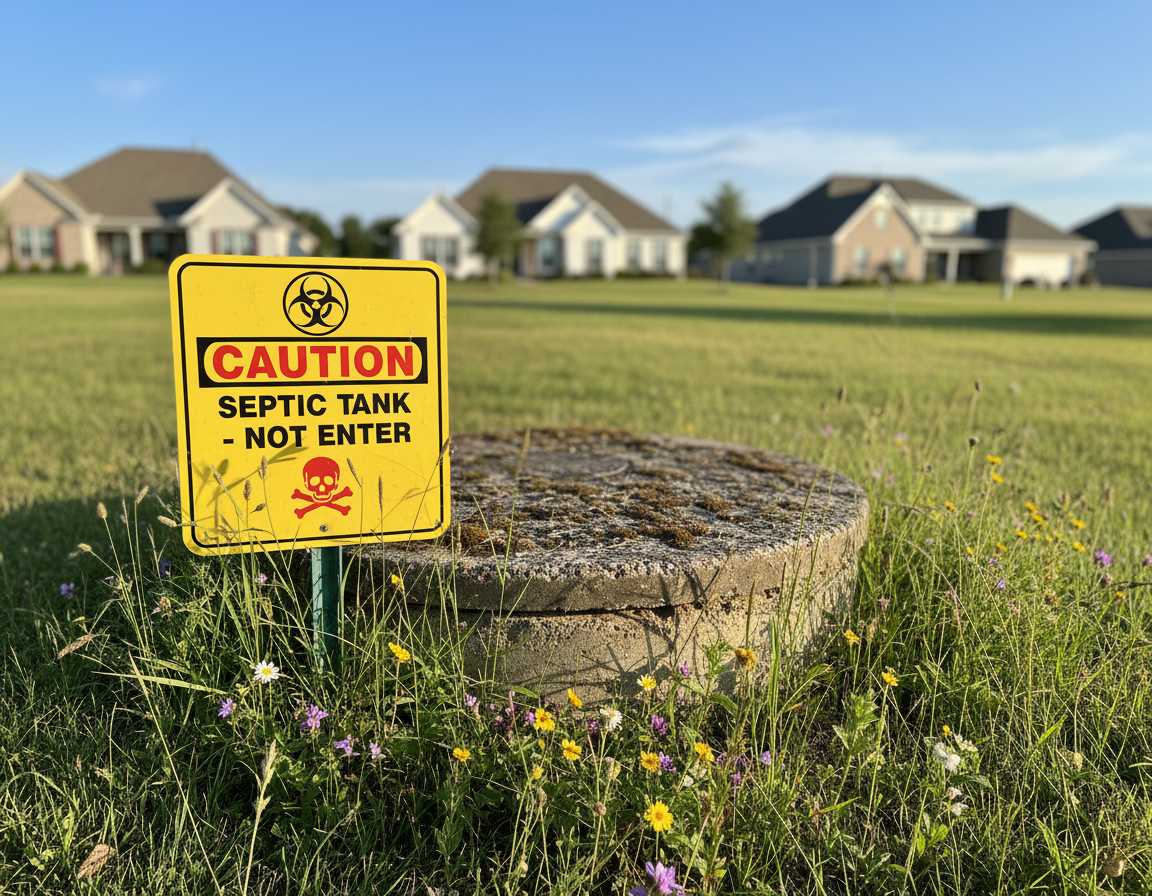
Local Septic Pumping In LA for Homes and Businesses
Rapid response and consistent appointment windows matter most for property owners with septic systems. Septic Services of LA focuses on timely arrival, a clear plan, and careful work at every site.
What “local” service really means for response time and reliability in LA
Operating nearby cuts travel time and helps crews get to issues sooner. Smarter routing also means more consistent arrival windows for both a home and a business.
Septic Services of LA service overview: pumping, tank cleaning, inspections, and repairs
Reliability means arriving on time, using appropriate equipment, and explaining findings and next steps clearly. Our technicians adapt to different access points, usage demands, and site layouts so work is efficient and safe.
- Core offerings: septic pumping, tank cleaning, inspections, and repairs when needed.
- Different septic setups may require different access methods, pump-out volumes, and post-visit checks.
The primary goal is to restore normal plumbing performance and minimise the risk of backups and overflows through preventive service. Knowing when to schedule depends on warning signs, household or business usage, and system condition — explained in the next section.
When Septic Tank Pumping Is Needed
Early symptoms—like slower drains or odd odors—can point to a septic tank needing attention. Catching issues early helps plumbing keep working and limits damage to the drainage field.
Common Warning Signs
- Slow draining fixtures and gurgling plumbing
- Persistent odors indoors or near the yard
- Backups in sinks or toilets
- Wet areas near the drainage area
How Size, Usage, And Property Needs Affect Timing
Septic tank size and daily water usage strongly influence how often the septic cleaning services LA is required. Bigger households or heavy commercial usage shorten the time between appointments.
Higher flows load the tank faster and stress the septic system. Booking based on use prevents surprises.
Why Waiting Raises The Risk And What To Do
When the tank gets too full, solids may flow into the drainage field. That can cause sewage and wastewater problems and costly repairs.
“Taking action at the first signs reduces emergency calls and protects indoor plumbing fixtures.”
Lower water use, hold off on nonessential use, and reach out to Septic Services of LA to schedule tank pumping or a pump-out before problems escalate.
Our septic pumping services and what’s included
This section explains the steps completed during a standard pump-out appointment and why each step counts.
Septic Tank Pumping And Tank Cleaning For Sludge And Waste Removal
Septic Services of LA extracts sludge buildup and solid waste to recover usable tank capacity. We perform septic tank pumping and, when needed, additional cleaning to break up compacted solids for full removal.
Inspection Before And After Service
Our technicians perform a visual check and flow test before the work begins, then verify condition after service. This inspection record any warning signs that require attention.
Safe Lid Locating And Access
We find lids and access points on homes and businesses with care. Crews minimize disturbance to landscaping, paths, and hard surfaces while safely opening and resealing lids.
Maintenance recommendations and documentation
After your service you get tailored care tips and a straightforward report of the work performed, notes, and what to do next. These notes help schedule future pumping and guide decisions for high-usage systems.
How Septic Services Of LA Handles Pumping Safely And Efficiently
The job begins with a straightforward plan and wraps up with a tidy, inspected site. Crews follow a standard workflow so every visit is predictable and safe. Clear arrival-window communication keeps you in the loop while teams get equipment ready and protect entry points.
Step-by-step process from arrival to cleanup
- Arrival and site check: we confirm access, note any hazards, and map the route to avoid landscaping.
- Lid access and initial checks: technicians open the tank and check baffles and risers.
- Pumping and tank cleaning as needed: controlled suction extracts solids and wastewater contents while minimising splatter.
- Post-visit inspection: crews verify plumbing flow, check the seals, and note any concerns.
- Final cleanup and documentation: hoses are taken away, surfaces are protected, and you get a service summary.
Professional Equipment And Safe Handling
Up-to-date vacuum units and spill-control gear let technicians control flow and help prevent spills. These tools reduce mess and improve safety when handling sewage and wastewater.
Proper vacuum control safeguards system components and plumbing lines. Monitoring tank levels keeps the process efficient and helps prevent damage.
Protecting Your Home, Business, And Landscaping
Crews lay mats or boards to protect your driveway and yard. We plan access routes to reduce disruption to your site and daily operations.
| Time Range | Typical Step | What You Get |
|---|---|---|
| 30–60 minutes | Setup and pre-checks | Safe access with a clear plan |
| 30–90 minutes | Pumping and cleaning | Restored tank capacity with minimal mess |
| 15–30 minutes | Inspection and cleanup | Operational system and report |
“Our goal is a quality job done with respect for your property and clear follow-up notes.”
Septic System Maintenance To Prevent Backups
Simple, consistent upkeep helps systems keep running and prevents most backups.
Maintenance habits that reduce clogs and overload
Keep water use balanced to avoid sudden high flows. Space out laundry loads, dishwashing, and showers through the day.
Use low-flow fixtures and fix leaks quickly. That helps reduce pressure on the septic tank and drain field.
What Not To Flush To Protect Your System
Keep the following out of drains to protect your system:
- Wipes and personal hygiene products
- Grease, oil, and food solids
- Paper towels, cotton swabs, and floss
- Strong chemicals and large amounts of bleach
How Regular Service Helps Long-Term Quality
Ongoing maintenance cuts down solids buildup and keeps plumbing flowing. A well-maintained septic tank lasts longer and needs fewer repairs.
Booking service based on household needs prevents overload and protects the drain field for years to come.
| Action | Why It Helps | How Often |
|---|---|---|
| Stagger high-water tasks | Lowers peak flow to the tank | Daily habit |
| Avoid flushing banned items | Prevents clogs and keeps solids from moving | Always |
| Book routine service | Clears solids and records condition | Every 1–3 years by need |
“Proactive care leads to fewer emergencies, lower repair costs, and steadier system quality.”
For steady upkeep, align maintenance with your usage and system type. Call Septic Services of LA to set a schedule that fits your needs and helps protect your plumbing and tank.
Emergency septic pumping and fast help for backups
When a backup threatens your home, quick action can reduce cleanup time and damage. Follow simple safety steps first, then call trained professionals for emergency service right away.
Immediate Steps During A Sewage Backup
Stop using water and avoid flushing toilets or running appliances. Keep everyone and pets away from flooded zones to reduce health risks.
Switch off nonessential electrical equipment in wet zones only if safe. Take note of symptoms: where backups appear, odors, and whether more than one fixture is affected.
Emergency Pumping Vs Repairs: Choosing The Right Response
Emergency septic tank pumping is the correct step when wastewater is coming up into fixtures or the tank is full. Fast tank pumping returns usable capacity and often resolves the immediate issue.
Repairs may be required when line blockages, failed components, or drain field collapse lead to ongoing problems. In these situations, pumping by itself won’t solve the root cause.
Containing damage and restoring safe plumbing function
Our team helps limit contamination, helps reduce health risks, and get plumbing flowing again as quickly as possible. Technicians use containment mats and barriers, safe pump-out methods, and disinfection steps to limit spread.
- Provide clear details when you call: symptoms, when you last had service, and the type of property to speed dispatch.
- We evaluate on arrival and decide if tank pumping or repairs are needed.
- If repairs are required, we explain your options and next steps to restore lasting function.
“Call right away when backups start—quick action often means less cleanup and fewer repairs.”
Why Choose Septic Services Of LA For Local Septic Service
Picking the right provider means fewer unexpected issues and better long-range care for your system. Septic Services of LA matches experience with clear, plain communication to protect your property and plumbing.
Experienced team focused on customer service and quality results
Our team brings years of real-world experience and consistent procedures to every visit. Our technicians use careful inspections, thorough pumping of the septic tank, and tidy cleanup to deliver visible quality.
Clear scheduling, transparent communication, and professional care
We make booking simple with clear arrival windows and friendly reminders. After service, you get plain-language notes explaining what was discovered, the work completed, and what the system may need next.
- Consistent process and attention to detail for every property.
- Quality results: complete removal of solids, careful inspections, and tidy job sites.
- Communication that keeps the customer informed without jargon.
- Flexible appointment options for both residential and commercial needs.
Septic Services of LA works as a long-term partner, not just a one-off vendor. If you’re looking for expert care that respects your landscaping and daily schedule, set service today to protect your plumbing and avoid costly repairs.
Wrap-Up
A straightforward plan for routine tank care helps prevent most backups and can save money.
Timely septic tank pumping helps protect plumbing, helps extend the life of your septic tank, and reduces the chance of expensive repairs. Planned maintenance keeps solids out of the drain and protects system condition.
Pumping schedules vary by septic tank size, daily water use, and site needs. Overlooking warning signs can let issues grow and raises repair risk. Routine checks and scheduled tank pumping help reduce surprises.
Set a practical maintenance plan and let Septic Services of LA handle routine service, system inspections, and emergency septic pumping when required. Taking action in time minimises wastewater risks and keeps your property cleaner and safer.
FAQ
Q: What does “local” service mean for response time and reliability in Los Angeles?
A: Local service means our team operates throughout the Los Angeles area, so we can get to service calls sooner, arrive with the right equipment, and provide reliable scheduling. Being nearby also helps with faster follow-ups, urgent response, and familiarity with local rules and soil conditions that influence system performance.
Q: What services does Septic Services of LA provide?
A: Septic Services of LA delivers septic tank pumping and cleaning, system inspections, locating lids, safe access, routine maintenance recommendations, and reparations when needed. We work on both residential and commercial septic systems and provide documentation for every visit to support future planning.
Q: What are common warning signs a tank needs pumping?
A: Typical signs include slow drains and sluggish flow, persistent odours around the property, sewage backups in toilets or drains, and wet or lush patches over the drain field. Spotting signs early can prevent bigger failures and costly repairs.
Q: How do tank size, household water use, and property needs affect pumping frequency?
A: How often you pump depends on tank volume, the number of occupants, and daily water usage. High-usage households or smaller tanks need pumping more often. Property type—single-family home, multiunit building, or commercial site—also changes the schedule. We inspect the system and recommend a tailored pumping plan.
Q: Why is it risky to delay pumping a tank?
A: Putting it off increases sludge buildup, which can clog the drain field and lead to wastewater surfacing or backing up into plumbing. That leads to expensive repairs, even system replacement, and health hazards from untreated sewage.
Q: How does pumping properly protect the drain field?
A: Removing solids and scum helps keep particles from flowing into the drain field. Regular pumping preserves soil permeability and prevents wastewater from pooling, which protects landscaping and helps preserve system function.
Q: What is included when pumping and cleaning a septic tank?
A: Our service typically includes arrival and safety preparation, locating tank lids, opening the access points, removing sludge and scum with vacuum equipment, checking baffles and internal components, light cleaning of the tank interior, and transporting waste for proper disposal. We leave the site clean and document the service.
Q: Do you perform inspections before and after pumping?
A: Yes.. We inspect the tank condition, risers, baffles, and effluent level before pumping and verify components are functioning afterward. These inspections help identify repairs and support maintenance recommendations.
Q: How do you safely locate and access tank lids on homes and businesses?
A: Technicians use locating tools and visual clues, reference property maps when available, and carefully excavate to expose lids if needed. We protect landscaping, use safety gear, and follow local codes to access tanks without damage.
Q: What maintenance recommendations may I receive after service?
A: Advice typically covers pumping intervals, water conservation tips, what not to put down drains, grease and garbage disposal use, and signs to keep an eye on. We may also recommend repairs or component replacements to help extend system life.
Q: What documentation do you provide after service?
A: You receive a service report that records tank size, condition, work performed, waste volume removed, inspection findings, and recommended follow-up. This supports future scheduling and compliance records for properties and buyers.
Q: What are the steps in the pumping process from arrival to cleanup?
A: It starts with a site assessment and safety setup, locating and opening tank lids, pumping out solids and liquids, a light internal inspection, inspecting baffles and risers, cleaning the area, and finalising documentation. We ensure waste is transported and disposed of properly per regulations.
Q: What equipment do you use to handle sewage and wastewater?
A: We use certified vacuum trucks, pumps, hoses, and containment equipment designed for controlled removal of sludge and wastewater. Technicians wear protective equipment and follow environmental and health regulations for safe transport and disposal.
Q: How do you protect my home or business and landscaping during the job?
A: Crews use mats, barriers, and careful excavation to minimize disturbance. We plan routes to avoid damage, clean the site after service, and communicate any temporary restrictions to customers before starting.
Q: What habits help prevent backups and clogs?
A: Limit water waste, space out laundry loads, avoid chemical drain cleaners, compost scraps instead of relying on a disposal, and avoid flushing wipes, hygiene products, or grease. Routine inspections and scheduled pumping are also key.
Q: What should never be flushed or poured down drains to protect my system?
A: Never flush baby wipes, paper towels, diapers, feminine hygiene products, grease, oil, harsh chemicals, or medicines. These items can clog pipes, disrupt bacterial action, or damage tank components.
Q: How does routine service support long-term system quality?
A: Regular service helps prevent solids buildup, preserves biological activity in the tank, reduces strain on the drain field, and allows early detection of issues. This can reduce repair costs and extend the system’s functional life.
Q: What should I do immediately during a sewage backup at my property?
A: Stop using all water fixtures, avoid contact with the wastewater, shut off relevant water sources if possible, and call a professional emergency service. Quick action helps reduce contamination and property damage.
Q: When is emergency pumping needed versus repairs?
A: Emergency pumping is needed when backups are active or effluent is surfacing. Repairs are required when components fail, baffles break, or the drain field is damaged. Technicians assess the cause and recommend the correct immediate response.
Q: How do you contain damage and restore safe plumbing after an emergency call?
A: We isolate affected fixtures, pump out standing sewage, disinfect the area, inspect system components, and perform or recommend repairs. We also guide you on cleanup and follow-up maintenance to prevent recurrence.
Q: Why should I choose Septic Services of LA in the Los Angeles area?
A: Septic Services of LA provides an experienced team focused on customer care, clear scheduling, transparent pricing, and quality results. We match professional equipment with local knowledge to deliver timely, compliant, and respectful service.
Q: How do you handle scheduling and communication?
A: We offer clear scheduling options, arrival windows, and service reminders. Technicians call ahead, explain the work plan on-site, and provide written reports and recommendations after each visit.
Related: This Website About Septic Pumping Lists Common Problems